

As AI data centers scale, liquid cooling has become the standard for high-density GPU racks. But behind every CDU (Coolant Distribution Unit) is a carefully selected set of valves — and choosing the wrong one can mean downtime, coolant leaks, or reduced server performance. This guide explains how to select the right CDU liquid cooling valves for your project.
Why CDU Valves Are Critical
CDU systems circulate chilled coolant (usually water or water-glycol mixture) to cold plates on server CPUs and GPUs. A single leak at a valve connection can take down an entire rack — or even a whole data hall. That’s why data center operators specify zero-leakage valves, 100% pressure-tested before shipment, and with materials that won’t corrode over 10+ years of continuous operation.
Unlike industrial valves that see intermittent use, CDU valves run 24/7/365 at constant temperature and pressure. Seal materials, body material, and valve type all need to match the duty cycle.
Top 4 Valve Types in CDU Systems
Here are the valve types you’ll find in most modern CDU installations:
| Valve Type | Function in CDU | Key Specs |
|---|---|---|
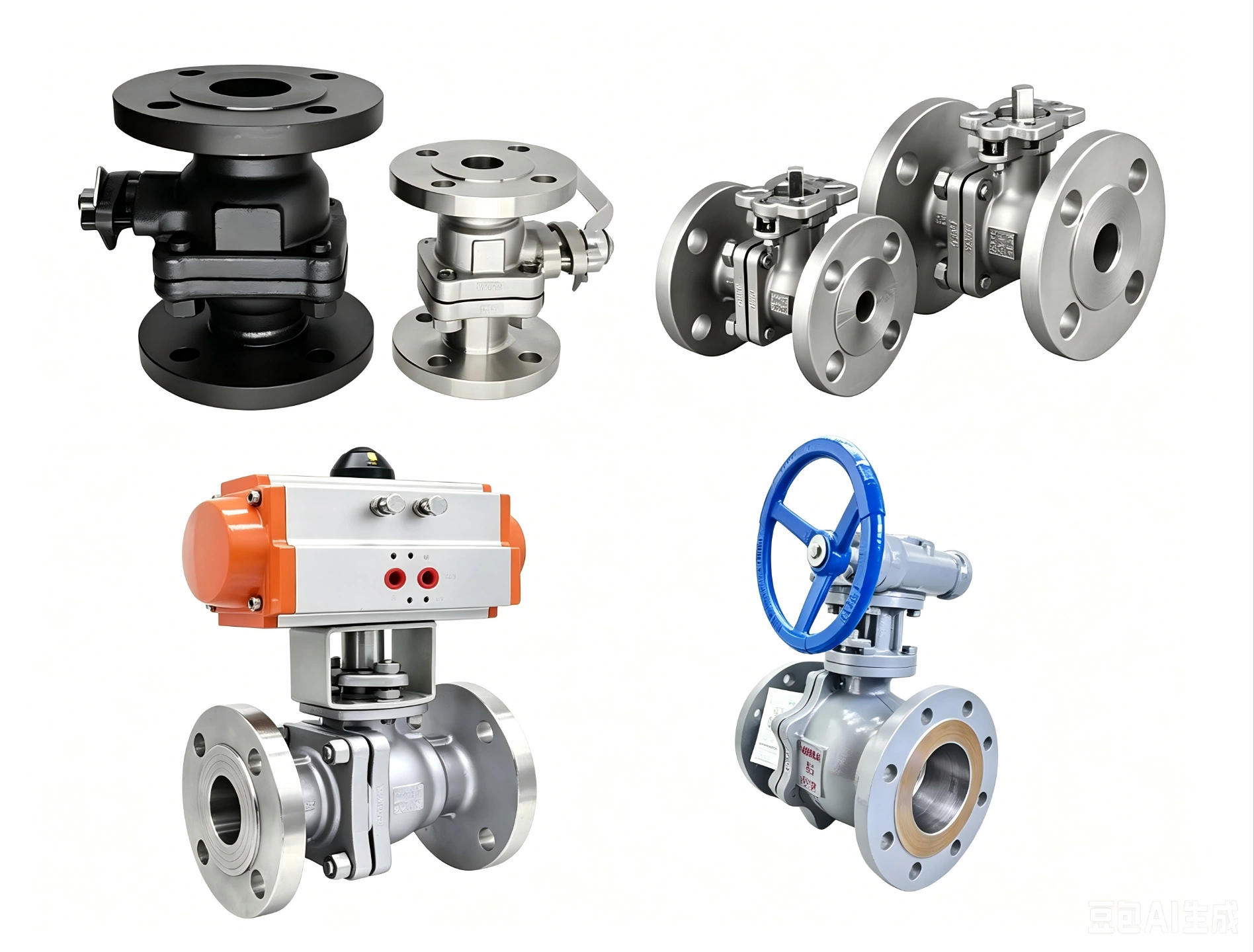
| Ball Valves | Isolate CDU loop for maintenance, shut off cold plates | Full port, PTFE seats, PN16 |
| Butterfly Valves | Large diameter header isolation, flow balancing | Wafer type, EPDM liner, DN80-DN300 |
| Check Valves | Prevent backflow when pumps switch, protect cold plates | Dual plate quick close, low pressure drop |
| Y-Strainers | Protect pumps and cold plates from debris | 20-40 mesh screen, 316L stainless |
Material Selection: Why 316L Stainless Is Standard
CDU coolant is often treated water with inhibitors, but over years of operation, galvanic corrosion and pitting can attack valve bodies. That’s why we recommend 316L stainless steel for CDU service:
• Molybdenum content resists chloride pitting from water treatment chemicals
• Low carbon (L) prevents intergranular corrosion after welding
• Smooth internal finish reduces biofilm growth and pressure drop
Carbon steel (WCB) is acceptable for closed-loop systems with proper inhibitor dosing, but for open-loop or mission-critical deployments, 316L is the safer choice.
Size and Pressure: Don’t Under-Specify
A common mistake is sizing valves based on pipe diameter rather than flow rate. CDU loops operate at 1.5–3 bar design pressure, with peak pressures during pump startup. We recommend:
• Design pressure: PN16 minimum (232 psi), even if operating pressure is only 2 bar
• Velocity: Keep coolant velocity under 2 m/s in headers to avoid erosion
• Cv rating: Select valve Cv to match pump curve, not just pipe size
Zero Leakage: What to Require from Your Supplier
Data center valve specs often call for “zero leakage” — but what does that mean in practice? Ask your supplier for:
1. 100% shell and seat pressure test on every valve before shipment
2. Bubble-tight seat test at 1.1× design pressure
3. Fire-safe certification (API 607) for valve seals
4. PTFE or RPTFE seats rated for 0–80°C continuous operation
At Chuanglan Valve, every liquid cooling valve we ship is pressure-tested individually and comes with a test report.
Common Mistakes to Avoid
1. Using general industrial valves without coolant-grade seals. Standard NBR seals harden in water-glycol mixtures over time. Specify EPDM or PTFE.
2. Skipping Y-strainers. Even new piping systems have welding slag and Teflon tape fragments. A $50 Y-strainer protects a $50,000 cold plate.
3. Not planning for maintenance isolation. Every CDU heat exchanger and pump should have isolation valves on both sides — not just on the main loop.
Need Valves for Your CDU Project?
Send us your coolant specs: flow rate, pressure, temperature and size — our engineers will recommend the right valve combination within 24 hours.
Contact Our Engineers →Need a quote or datasheet? Tell us size, pressure class and material – reply within 24 hours.
Request a Quote