
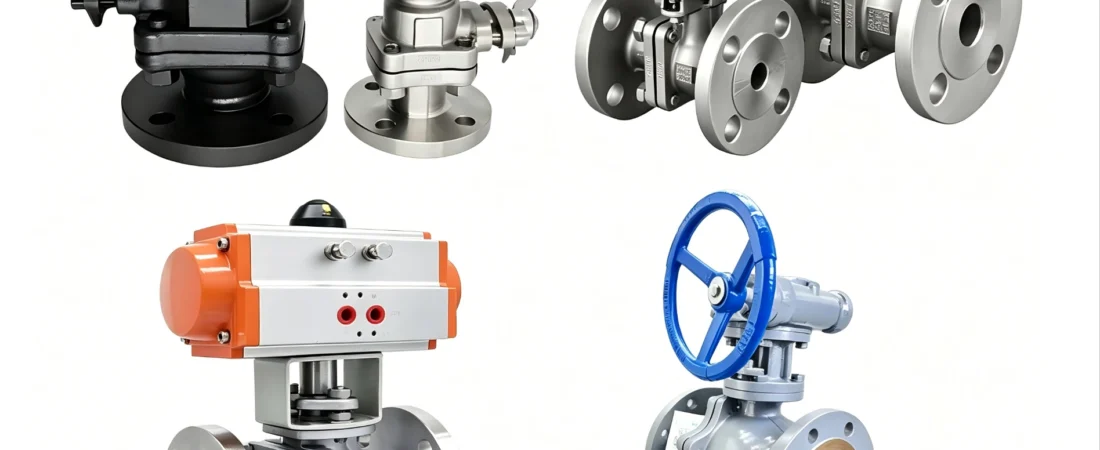
Stainless Steel Valve Price Guide: What Drives the Cost
The 2026 buyer’s guide to understanding stainless steel valve pricing — valve type, body material (304 / 316L / 2205 duplex), size & pressure rating, certification packages, and order-quantity discounts — all expressed as a relative cost index so you can compare supplier quotes apples-to-apples. Includes a Jakarta distributor worked example where the cheapest quote turned out to be thin-cast 304 sold as 316L, with a real retrofit cost 15× the saved unit price.
* Standard lead time depends on order size and destination. 5–10 days to Southeast Asia, 15–20 days to the Middle East.

Quick Answer
Stainless steel valve price is driven by five factors, in order of impact: (1) valve type — butterfly is cheapest, gate/actuated is most expensive; (2) body material — 316L costs 30–50% more than 304, duplex 2.5-3×, exotic alloys 8-15×; (3) size & pressure — price grows exponentially, not linearly; (4) certification package — CE / 3A / API 6D / EN 10204 3.1 MTC / third-party inspection add 5–30%; (5) order quantity — bulk orders can cut unit price by 20–30%. The cheapest quote is almost never the best: in 2024 a Jakarta distributor saved ~20% on 48 DN50 flanged ball valves by choosing a thin-cast 304 valve sold as “316L” — the retrofit cost on a coastal seawater-cooled HVAC loop was 15× the saved unit price. Always compare quotes on material grade, casting thickness, seat material, packing, and included certificates — not on the headline unit price alone.
Key Takeaways
- Valve type drives the biggest price difference: wafer butterfly ≈ 0.3× index, ball ≈ 1.0×, globe ≈ 1.3×, gate ≈ 1.6×, pneumatic-actuated ≈ 3.0×.
- Material grade is the second-biggest driver: 304 = 1.0× baseline, 316L = 1.3-1.5×, 2205 duplex = 2.5-3.0×, Hastelloy/Inconel = 8-15×.
- Size grows exponentially: a 4″ valve is ~6× the price of a 1″ valve, not 4×; a 8″ valve is ~20×.
- Certification package adds 5–30%: CE +5–10%, API 6D/608 +15–25%, 3A sanitary +20–30%, EN 10204 3.1 MTC +5–10%.
On This Page
Stainless steel valve price can vary dramatically — for what looks like the same valve, supplier A might quote a unit price 40% below supplier B. If you’re sourcing stainless steel valves for your project, you’ve probably noticed that prices don’t make sense at first glance. As a manufacturer with export experience since 2009, we break down exactly what drives the cost, so you can compare quotes fairly and avoid overpaying — or, worse, under-buying a valve that fails on site.
1. Valve Type: The Biggest Price Factor
The type of valve you choose has the largest impact on price. Here’s the relative cost index for a standard 2″ / DN50 stainless steel valve at PN16 / Class 150, clean-water service (using 2″ stainless ball valve as baseline = 1.0×):
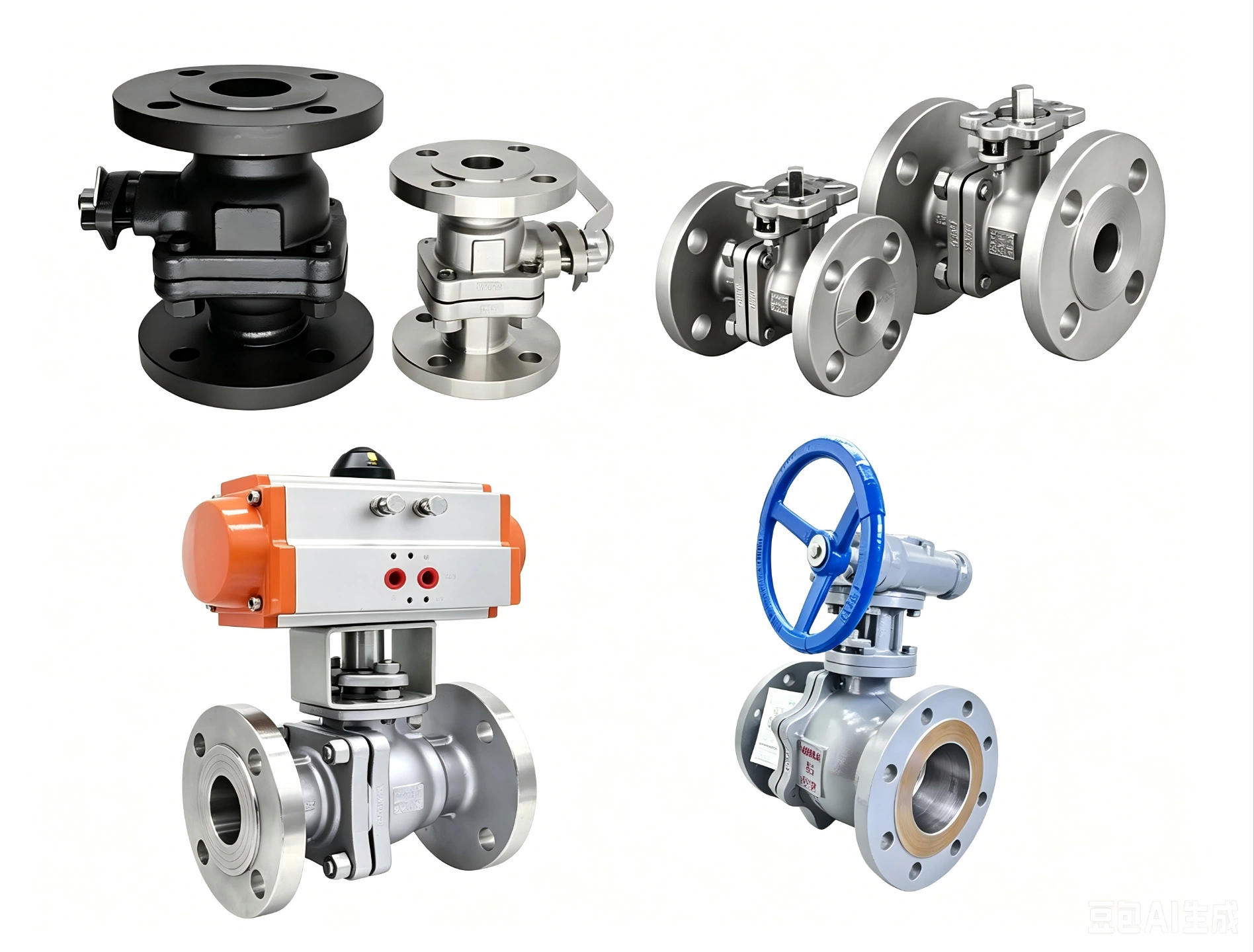
| Valve Type (DN50 / PN16) | Relative Cost Index | Complexity | Why |
|---|---|---|---|
| Wafer Butterfly Valve | 0.3× | Low | Simple disc + stem, low body casting weight |
| Threaded Ball Valve (Full Port) | 0.7× | Low-Medium | Smaller body, threaded ends |
| Flanged Ball Valve (Full Port) | 1.0× (baseline) | Medium | Standard reference |
| Stainless Globe Valve | 1.3× | Medium | Longer body, stem-guided plug |
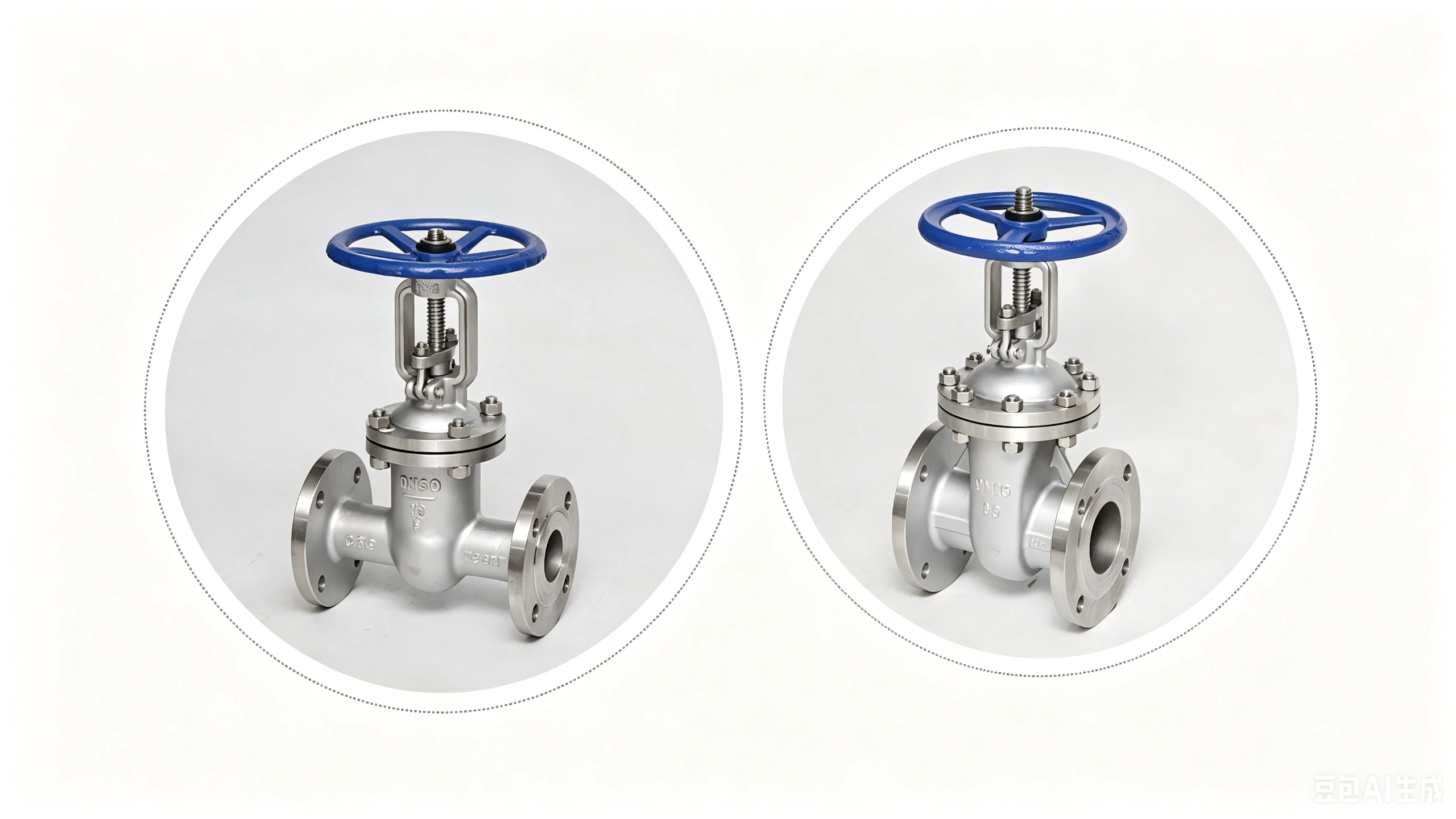
| Stainless Gate Valve (Rising Stem) | 1.6× | High | Taller body, machined wedge seat |
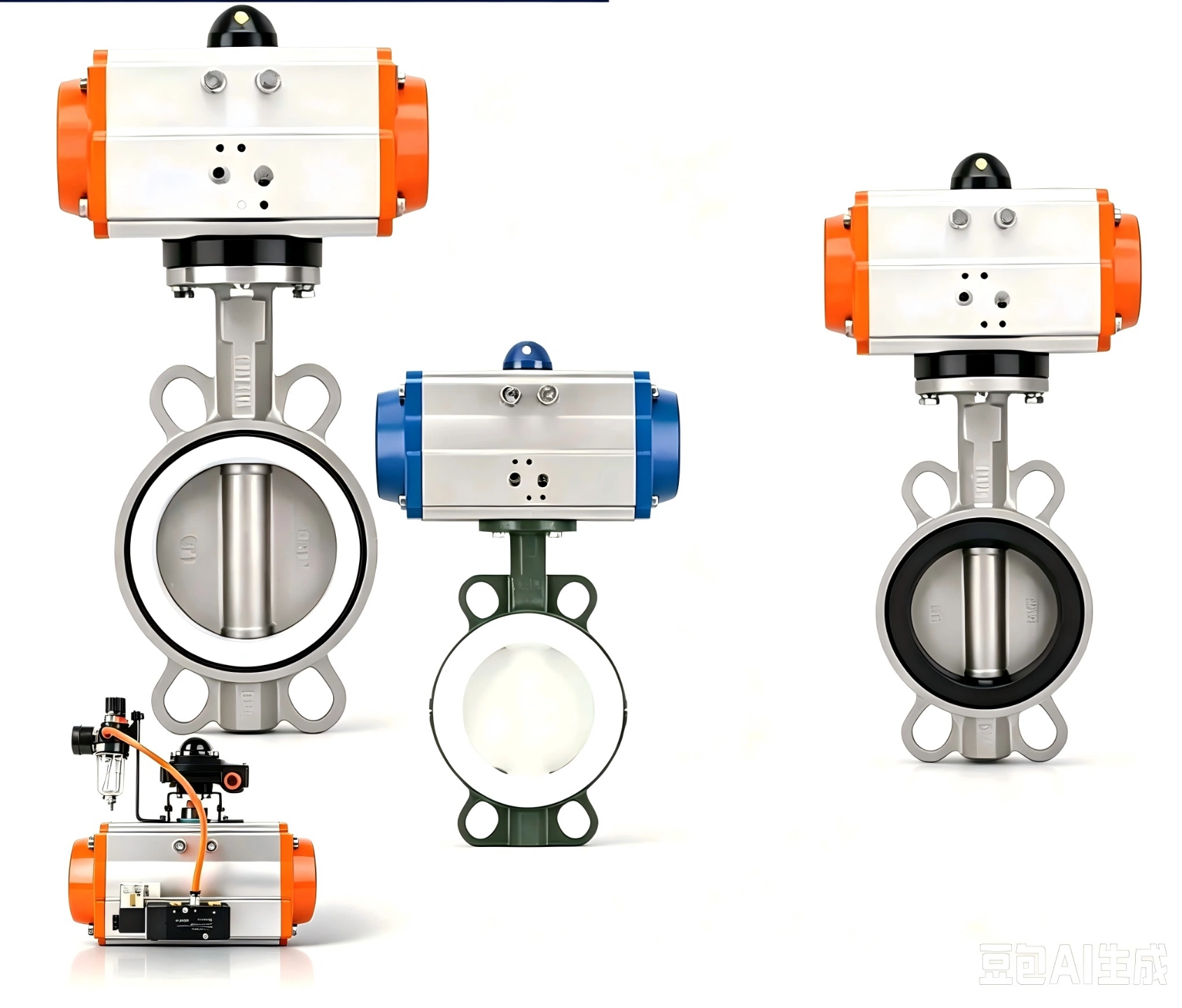
| Pneumatic Actuated Ball Valve | 2.8 – 3.5× | high | Valve + actuator + solenoid + limit switch box |
| Electric Actuated Ball Valve | 4.0 – 6.0× | high | Valve + multi-turn / quarter-turn electric actuator |
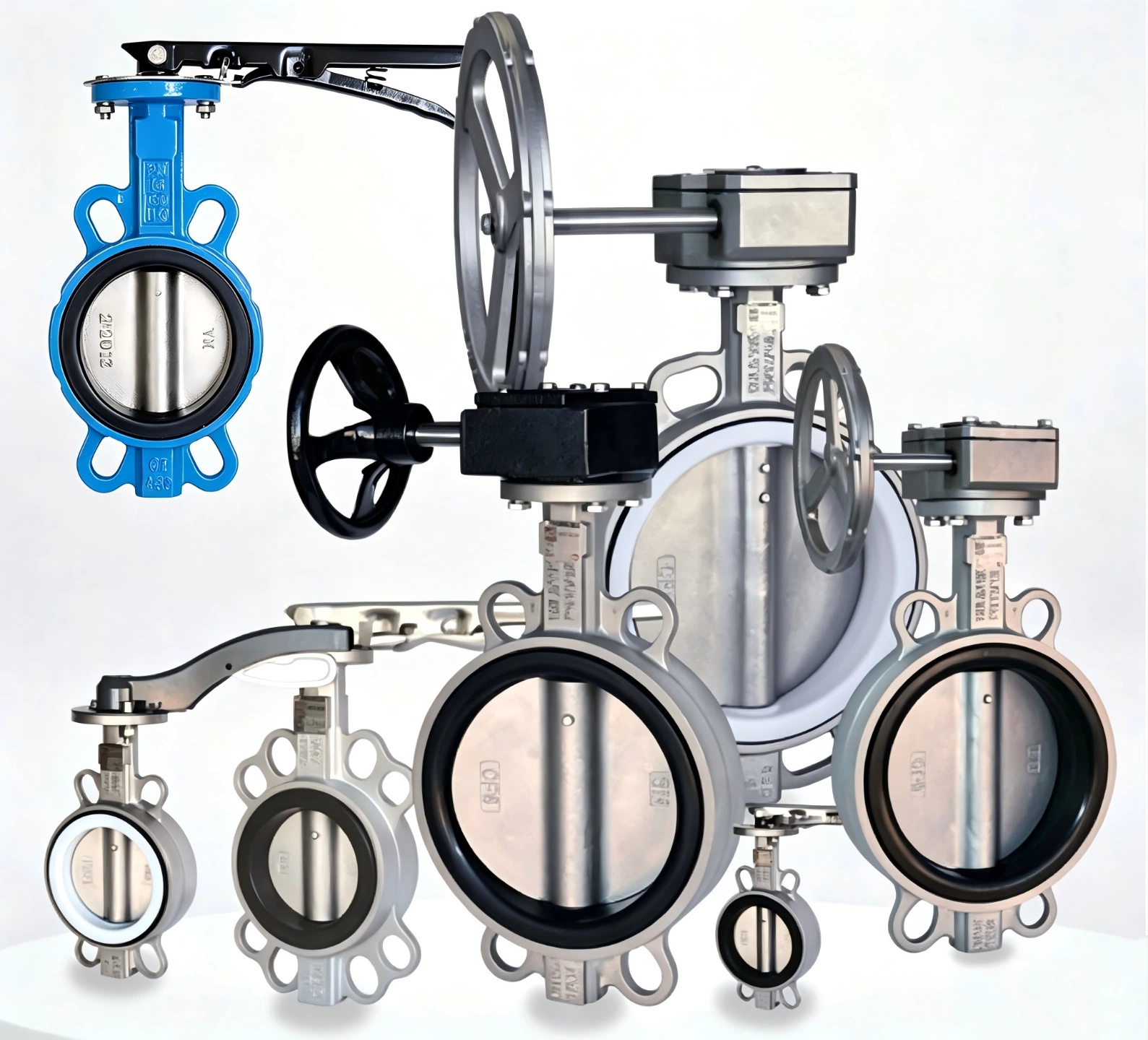
For the full product range, see our wafer butterfly valves, flanged ball valves, flanged globe valves, rising-stem gate valves, and pneumatic / electric actuated ball valves.
2. Material Grade: 304 vs 316L vs Duplex
Stainless steel grade is the second-biggest cost driver. The body material alone can account for 40–60% of the total valve cost, because stainless steel scrap, nickel, and molybdenum raw-material prices dominate the casting cost.
| Body Material | Relative Cost Index | Best For |
|---|---|---|
| 304 / CF8 | 1.0× (base) | Clean water, general industry, mild corrosion, inland HVAC |
| 316 / CF8M | 1.3 – 1.5× | Marine, chemical, food & pharma, coastal exposure |
| 316L / CF3M | 1.4 – 1.6× | Welded piping, hygienic lines, low-carbon post-weld corrosion |
| 2205 Duplex | 2.5 – 3.0× | High pressure, severe pitting, seawater, oil & gas |
| 2507 Super-Duplex | 4.0 – 5.0× | Direct seawater, high chloride, sour service |
| Hastelloy C-276 / Inconel 625 | 8 – 15× | Extreme corrosion, acid / chloride process, special alloys |
Pro Tip: Don’t pay for 316L if your application is just clean water in an inland factory — 304 is perfectly fine and saves you 30–50%. But if you’re within 10 km of the coast, use 316L minimum; if you’re on direct seawater, use 2205 duplex minimum. See 304 vs 316L stainless steel and WCB vs CF8 vs CF8M for the full material-selection guide.
3. Size & Pressure Rating
Valve price doesn’t increase linearly with size — it grows exponentially. A 4″ valve isn’t twice the price of a 2″ valve; it’s usually 6× the price of a 1″ valve. This is because the casting weight, machining time, and hydrostatic test time all scale with size, not linearly.
| Size (Flanged Ball Valve, 316L, PN16) | Relative Cost Index | Approx. Casting Weight |
|---|---|---|
| 1″ / DN25 | 1.0× | ~1.5 kg |
| 2″ / DN50 | 2.5× | ~4 kg |
| 3″ / DN80 | 4.0× | ~8 kg |
| 4″ / DN100 | 6.0× | ~12 kg |
| 6″ / DN150 | 12× | ~25 kg |
| 8″ / DN200 | 20× | ~45 kg |
Higher pressure ratings add 30–100% to the price: PN25 vs PN16 adds ~20–30%; PN40 vs PN16 adds ~50–80%; Class 300 vs Class 150 adds ~50–80%; Class 600 vs Class 150 adds ~150–200%. Higher pressure means thicker castings, bigger bolts, and longer hydrostatic test times. See ball valve pressure rating guide for the full Class-vs-PN cross-reference.
4. Standards & Certifications
If you need special certifications, expect to pay a premium. These aren’t negotiable costs — they’re real testing, documentation, and third-party inspection fees that the manufacturer has to pass through.
| Requirement | Typical Price Premium | Why |
|---|---|---|
| CE Marking (PED) | +5 – 10% | EU pressure-equipment compliance, technical file |
| 3A Sanitary | +20 – 30% | Mirror polish, FDA seals, 3A documentation package |
| API 6D / 608 | +15 – 25% | Oil & gas type-testing, fire-test, API monogram |
| MTC EN 10204 3.1 | +5 – 10% | Material test certificate, heat-number traceability |
| ISO 15156 | +20 – 35% | Sour-service hardness test, SSC qualification |
| Third-Party Inspection (SGS / BV / Intertek / Lloyd’s) | Fixed fee per order | Third-party inspector travel + witnessing time |
See CE, ISO, API, 3A valve certifications for the full certification package guide.
5. Order Quantity Discount
| Order Quantity | Discount Off Base Price | MOQ Notes |
|---|---|---|
| 1 – 10 pcs | 0% (base price) | Stock items, ready to ship, MOQ 1 piece |
| 11 – 50 pcs | -5% to -10% | Small batch production |
| 51 – 200 pcs | -10% to -20% | Medium batch, custom packaging / branding |
| 201 – 500 pcs | -20% to -30% | Full container load, best regular price |
| 500+ pcs | -30%+ (negotiable) | OEM / ODM, exclusive pricing, tooling amortized |
Buying in bulk is the easiest way to lower the unit price. Here’s a typical discount structure from a Chinese stainless-steel valve manufacturer:
Worked Example: Jakarta “316L” Quote That Wasn’t
Step 1 — Problem
A Jakarta HVAC distributor tendered 48 DN50 (2″) flanged ball valves for a coastal hospital cooling-tower retrofit. The loop is open seawater (40,000 ppm chloride) with 0.5 ppm chlorine. The spec called for CF8M (316 stainless) body, RTFE seats, graphoil packing, PN16 flanged ends, with MTC EN 10204 3.1. Three Chinese suppliers quoted: Supplier A = market-rate 316L with full EN 10204 3.1 MTC package (baseline index 1.0). Supplier B = 316L with EN 10204 3.1 MTC but thinner body casting (index 0.85). Supplier C = index 0.60 — 40% below market. The distributor, under tender pressure, awarded the order to Supplier C. Supplier C’s quote sheet listed “CF8M, PN16, RF flanged, EN 10204 3.1 MTC” — exactly the same as A’s. The valves arrived 30 days later, were installed, and the loop was commissioned in March.
Step 2 — Root cause analysis
By August — five months after commissioning — four valves on the seawater inlet showed pitting on the body near the flange neck. The distributor sent a sample valve to a Jakarta metallurgy lab for PMI (Positive Material Identification) XRF analysis. The result: the body was CF8 (304), not CF8M (316). No molybdenum detected. The “EN 10204 3.1 MTC” that Supplier C supplied had been Photoshopped — the heat number on the body didn’t match the heat number on the certificate, and the lab couldn’t find the mill record. Supplier C had sold thin-cast 304 at a “316L” headline, with a forged MTC, to win the tender 40% cheaper than market. The pitting in 40,000 ppm chloride is exactly the failure mode we documented in the Sharjah case in 304 vs 316L.
Step 3 — Correct retrofit
12 valves on the direct seawater side had to be replaced with 2205 duplex (because 316L was already marginal on 40,000 ppm + chlorine). The remaining 36 valves on the freshwater closed loop were replaced with CF3M (316L) from a different factory with verified EN 10204 3.1 MTC and PMI XRF witness. The replacement cost — valve unit cost + shipping + labor + 10-day loop shutdown — was roughly 15× the per-unit saving the distributor made on the original tender. The hospital fined the distributor for the shutdown delay.
Step 4 — Outcome
• The distributor added a permanent line to every future RFQ: “PMI XRF witness at factory, third-party (SGS or BV) inspection, MTC heat number cross-checked against mill record.”
• Chuanglan Valve rebuilt the relationship with this distributor in 2025 as the verified supplier — we now ship every valve with EN 10204 3.1 MTC tied to the heat number cast on the body, and offer PMI XRF witness at factory on request.
• Lesson: a quote 40% below market for 316L in 2026 is not a bargain — it’s a signal that something is wrong. The two questions that catch this before shipment: (1) “Can I have the EN 10204 3.1 MTC PDF before payment, and will your heat number on the body match the heat number on the certificate?” (2) “Can I arrange SGS or BV PMI XRF witness at your factory before container loading?”
How Chuanglan Prices Every Valve Quote
Every quote lists the body material, seat material, packing, pressure class, and flange standard — not just “stainless ball valve”
Every quotation includes the relative cost index breakdown (type × material × size × cert package) so the buyer can see what drives the price
MTC EN 10204 3.1 included in every quote — heat number cast on the body matches the MTC
Optional SGS / BV / Intertek / Lloyd’s PMI XRF witness at factory before container loading — no Photoshopped certificates
MOQ 1 piece for stock items, 7–15 day standard delivery, OEM / ODM from large volume
Get a Transparent, Itemized Valve Quote
Tell us your valve type, size, material, pressure, and quantity — we’ll reply within 24 hours with a line-item quote breakdown, so you can compare apples-to-apples with any other supplier.
Get Free Sizing Report → WhatsApp usHow to Get the Best Price
Based on export experience since 2009, here are 3 tips to help you get the best quote — and avoid the Supplier C trap above:
1. Be specific with your requirements. Don’t just say “2 inch ball valve” — tell the supplier: body material (304 / 316L / CF8M / CF3M / 2205), pressure class (PN16 / Class 150 / PN40 / Class 300), end connection (threaded / flanged / wafer / butt-weld), flange standard (EN 1092-1 / ASME B16.5 / JIS B2220), seat and packing (PTFE / RTFE / PEEK / graphite), and required certificates (EN 10204 3.1 MTC / CE / API 6D / 3A / ISO 15156). This lets them quote exactly what you need, with no hidden upgrades or downgrades. Compare our ANSI vs DIN vs JIS guide to make sure the flange standard is specified correctly.
2. Compare apples to apples. The cheapest quote isn’t always the best. Compare: (a) body material chemical composition (request PMI XRF or EN 10204 3.1 MTC); (b) body wall thickness (request dimensional drawing); (c) stem packing type (PTFE rope vs grafoil); (d) seat material (plain PTFE vs RTFE vs PEEK); (e) included certificates (EN 10204 3.1 MTC vs MTC 2.2 vs none); (f) warranty terms. A valve that’s 20% cheaper but uses thin castings will fail in 6 months — see the Jakarta worked example above.
3. Buy once, buy enough. If you’re a distributor or contractor, it’s almost always worth ordering 20–30% extra spares. The bulk discount (-20% to -30% at large volume) will save you more than the cost of holding inventory, and you won’t pay emergency air-freight later when a valve fails on site.
Southeast Asia & Middle East Market Notes
For clients in Southeast Asia (Indonesia, Malaysia, Thailand, Vietnam, Philippines), the most common price trap is the “304 sold as 316L” swap on coastal projects. Jakarta, Surabaya, Bangkok, Ho Chi Minh, Manila — all within 10-50 km of the coast — have salt-laden air that pits 304 in 12-24 months. Distributors and EPCs in these regions should always require EN 10204 3.1 MTC tied to body heat number, and PMI XRF witness for any order above 50 pcs. Palm-oil mill valves (RBD palm oil, olein) also need 316L minimum due to free fatty acid content. Water-treatment and HVAC packages are the most price-sensitive — this is where thin-cast 304 gets sold as “general purpose stainless.”
For clients in the Middle East (Saudi Arabia, UAE, Qatar, Kuwait, Oman, Bahrain), the price discussion is different: oil & gas EPCs (Saudi Aramco SAES, ADNOC ICV, KNPC, QatarEnergy North Field LNG) require full certification packages — API 6D / 608 / 609, ISO 15156 for sour service, EN 10204 3.1 MTC, and third-party inspection (SGS / BV / Intertek / Lloyd’s) — which adds 30–50% to the unit price. Cutting corners on certification in the Middle East is a one-way ticket to rejected shipments and project disqualification. The market knows this, so Middle East buyers should accept that rated oil & gas valves cost 30–50% more than generic Chinese stainless — and budget accordingly. Seawater-cooled district-cooling loops in UAE (Tabreed, QCool, Marafiq) require 2205 duplex minimum — see our seawater butterfly valve guide.
Chuanglan Valve ships with full itemized quotes, EN 10204 3.1 MTC heat-number-tied certificates, and optional PMI XRF witness. Serving EPC Contractors Across Southeast Asia & Middle East · ISO 9001:2015 · Established in 2009 · MOQ 1 piece, 7–15 day standard delivery.
Common Mistakes to Avoid
- Specifying 304 stainless for coastal or chloride service. If your project is in Southeast Asia (coastal, cooling tower, deicing salts) or the Middle East (desalination, SWRO, humid Gulf climate), 304 will pit within 1–3 years. Specify CF8M (316) or duplex 2205.
- Ignoring pressure-temperature derating. PN16 / Class 150 ratings apply at room temperature only. At 200°C the allowable pressure drops by roughly 40–50%. Always check the manufacturer’s P-T chart before specifying for steam, hot oil, or thermal fluid.
- Buying on price without MTC verification. “Stainless steel” is not enough — ask for EN 10204 3.1 MTC tied to the heat number, and arrange PMI (XRF) witness at the factory if the price is 20% below market. 304 passed off as 316L is the single most common failure in this industry.
- Forgetting face-to-face and flange drilling. A “PN16” wafer valve from one manufacturer may not match the existing flange drilling or face-to-face of another. Always confirm dimensions against EN 558 / API 609 / ASME B16.10 before replacing an installed valve.
FAQ
Why do stainless steel valve prices vary so much between suppliers?
The headline “stainless ball valve” hides 5-6 variables: body material (304 vs 316L vs 316L vs 2205), wall thickness, seat material (PTFE vs RTFE vs PEEK), stem packing, included certificates (MTC 2.2 vs 3.1 vs none), and valve standard (API 608 vs generic). A supplier quoting 40% below market is usually swapping one of these — most commonly 304 sold as 316L, or thin-cast body, or no certificate. Always request the line-item spec sheet, not just the unit price.
Is it worth paying 30–50% more for 316L vs 304?
For clean water in inland factories, no — 304 is fine. For coastal areas, seawater, acidic process, food & pharma, or high-humidity environments, yes — 316L pays back in 12-24 months because 304 pitting replacement costs 15-30× the material premium. See 304 vs 316L.
How much does size affect valve price?
Exponentially, not linearly. A 4″ DN100 valve is roughly 6× the price of a 1″ DN25 valve; a 8″ DN200 valve is roughly 20×. This is because casting weight, machining time, and hydrostatic test time all scale with size, not linearly. If you’re sizing a project, budget for the exponential curve, not a linear extrapolation.
What certifications should I require on every valve order?
Minimum: MTC EN 10204 3.1 tied to the heat number cast on the body. For EU customers: CE PED. For oil & gas: API 6D / 608 / 609 + ISO 15156 if sour. For food / pharma: 3A style design. For high-value orders: SGS / BV / Intertek / Lloyd’s PMI XRF witness at factory. See valve certifications guide.
What order quantity gives the best unit price?
Chinese stainless-steel valve manufacturers typically offer: 1-10 pcs = base price; 11-50 = -5 to -10%; 51-200 = -10 to -20%; 201-500 = -20 to -30%; 500+ = -30%+ negotiable OEM/ODM. The biggest step-change is at ~200 pcs (full container load). MOQ 1 piece is available for stock items.
How can I verify that a “316L” valve is actually 316L?
Three checks: (1) Request MTC EN 10204 3.1 PDF before payment — check the chemical composition table (Mo 2.0-2.5%, Ni 10–14%). (2) Cross-check the heat number on the body against the heat number on the MTC. (3) Arrange PMI XRF witness (SGS / BV / Intertek / Lloyd’s) at the factory before container loading. If the supplier refuses any of these three, walk away.
Does Chuanglan offer OEM / private-label packaging?
Yes. OEM / ODM with your own logo, branding, and packaging is available from large volume per SKU. We can also provide dimensional drawings, EN 10204 3.1 MTC, and third-party inspection (SGS / BV / Intertek / Lloyd’s) to support your private-label distribution. MOQ 1 piece for standard stock items, 7–15 day standard delivery.
References & Standards
- ASTM A240 — Stainless steel plate for pressure vessels
- ASTM A351 — CF8 / CF8M / CF3M castings
- EN 10204 3.1 — Metallic products — Inspection documents
- ASME B16.34 — Valve pressure rating
- API 6D / API 608 / API 609 — Pipeline / Ball / Butterfly standards
- ISO 15156 — Sour-service materials
Related Products
Continue Reading
Request a Quotation — Reply Within 24 Hours
Send your line size, pressure rating, medium and quantity. Our engineers come back with price, drawing and lead time — no obligation.