
Ball Valve Pressure Rating Guide 2026: 150LB vs 300LB vs 600LB vs PN16/PN40
The complete 2026 guide to stainless steel ball valve pressure ratings — ANSI Class 150/300/600/900/1500, PN16/PN25/PN40, temperature derating, regional selection, and the over-specification mistakes that cost EPC contractors 40–60% on every valve.
* Standard lead time depends on order quantity and destination country. 5–10 days to Southeast Asia, 15–20 days to the Middle East.

Quick Answer
Match the pressure rating to your working pressure AT your operating temperature (not cold water). Target a 50–100% safety margin. For 10 bar water / HVAC / chilled water service in Southeast Asia: PN16 or Class 150 is correct. For steam >180°C or process chemical lines: PN25/PN40 or Class 300. For ME oil & gas upstream (Saudi Aramco / ADNOC): Class 300 minimum, Class 600 for wellhead and high-pressure gas. Never over-specify — Class 300 costs 40–60% more than Class 150, Class 600 roughly double, Class 900+ triple.
Key Takeaways
- Derate for temperature: Class 150 = 19 bar at 20°C, about 13.4 bar at 200°C and 11.7 bar at 300°C (ASME B16.34 Group 2.1, 316 SS). Always check the derating curve — not the cold-water nameplate.
- 50–100% margin is enough: A 10 bar working line does not need a 40 bar valve. Over-specification adds 40–60% to Class 300 and 100–150% to Class 600 per unit.
- Southeast Asia water & food = PN16 / Class 150; ME oil & gas = Class 300 minimum (Aramco/ADNOC specs), Class 600 for wellhead and high-pressure gas.
- Steam above 180°C needs upgraded seats: PTFE → RPTFE → graphite; above 250°C switch to metal-seated ball valves.
On This Page
1. What Do Pressure Ratings Mean?
Selecting the right pressure rating for your stainless steel ball valves is one of the most common questions our clients ask us, especially when sourcing valves for Southeast Asia water treatment, the Middle East oil & gas, or European food processing projects. Choosing the wrong rating leads to either safety risks or unnecessary cost.
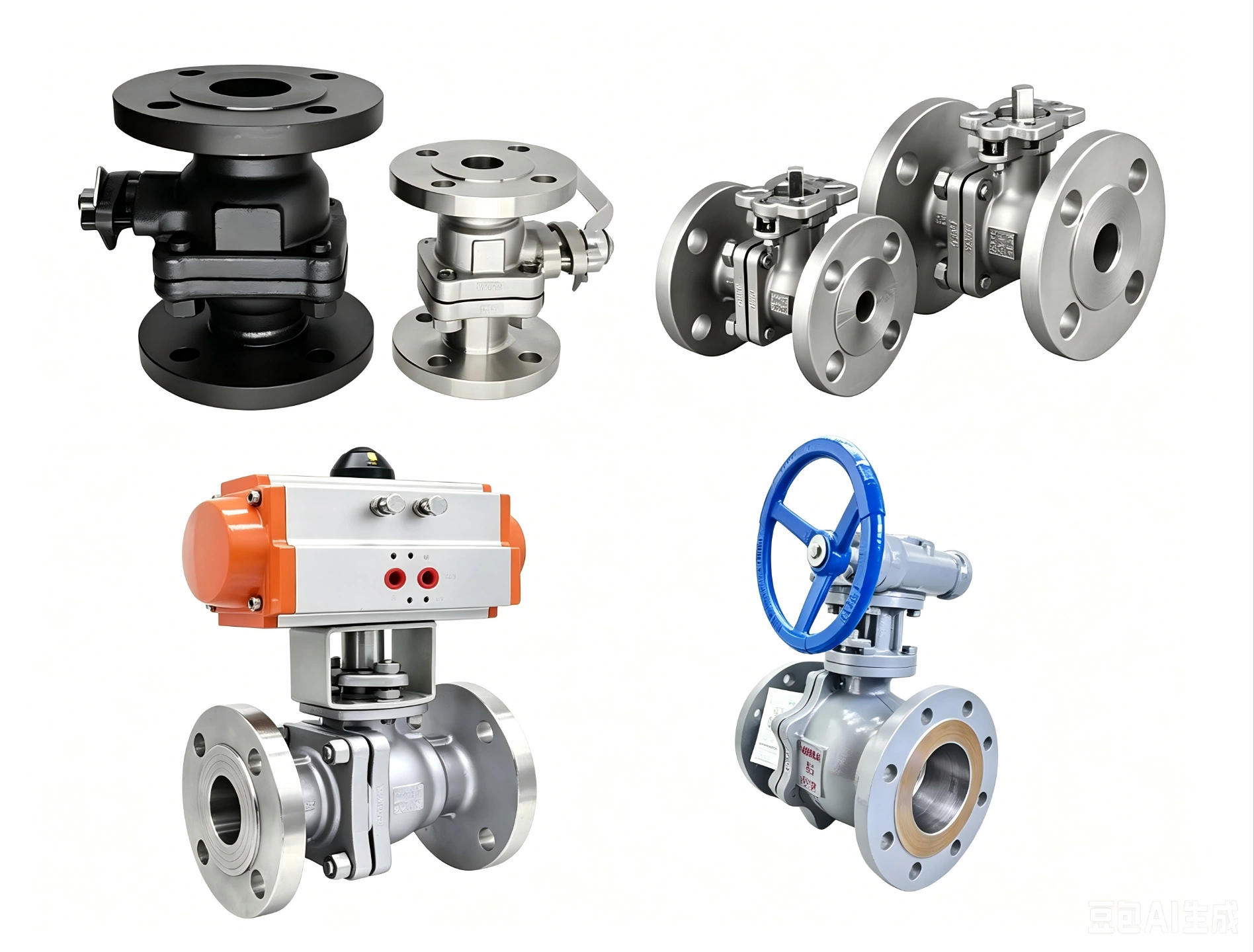
Pressure ratings define the maximum pressure a valve can safely handle at a given temperature. There are two main systems in global use:
- ANSI Class (LB): Used in North America, the Middle East oil & gas, and many EPC specifications. Class 150, 300, 600, 900, 1500, 2500.
- PN (Pressure Nominal): Used in Europe, Southeast Asia, and China. PN10, PN16, PN25, PN40, PN63, PN100.
Higher class ratings mean the valve can withstand higher pressures, with thicker castings, stronger body, and upgraded seals (PTFE → RPTFE → Graphite for high temperature).
2. ANSI Class Ratings (LB)
| Pressure Class | Max Pressure at 20°C | Max Pressure at 200°C | Typical Application |
|---|---|---|---|
| Class 150 (150LB) | 19 bar (275 PSI) | 10 bar (145 PSI) | Water treatment, HVAC, general industrial, low-pressure piping |
| Class 300 (300LB) | 51 bar (740 PSI) | 28 bar (405 PSI) | Chemical processing, steam lines, medium-pressure oil pipelines |
| Class 600 (600LB) | 102 bar (1480 PSI) | 57 bar (825 PSI) | High-pressure oil & gas, refinery, power plant high-pressure systems |
| Class 900 (900LB) | 153 bar (2220 PSI) | 86 bar (1250 PSI) | High-pressure gas transmission, compressor stations |
| Class 1500 (1500LB) | 255 bar (3710 PSI) | 143 bar (2075 PSI) | Wellhead, high-pressure injection, special refinery service |
3. PN Ratings (European Standard)
| Standard Category | US / ANSI | European / EN | Japanese / JIS |
|---|---|---|---|
| Design | ASME B16.34 / API 6D | EN 12516 / EN 13709 | JIS B2003 |
| Pressure Rating | ANSI Class 150-2500 | PN10-PN100 | 10K-40K |
| Flange | ASME B16.5 (NPS 1/2-24) | EN 1092-1 | JIS B2220 |
| End Connection | NPT / socket weld / flanged / butt weld | BSP / flanged | Rc / flanged |
| Body Material | CF8M (316) / CF8 (304) / WCB | 1.4408 (316) / 1.4308 (304) | SCS14A (316) / SCS13A (304) |
| Seat Material | PTFE / RPTFE / Graphite / Metal | PTFE / RPTFE / Graphite | PTFE / RPTFE |
| Testing | API 598 / ISO 5208 | EN 12266-1 | JIS B2003 |
Most Southeast Asian and European EPC specifications use PN rather than LB. Here is the rough mapping for stainless steel ball valves:
| PN Rating | Max Pressure at 20°C | Approx ANSI Equivalent | Common Use |
|---|---|---|---|
| PN10 | 10 bar | — (lower than Class 150) | Municipal water, wastewater treatment |
| PN16 | 16 bar | Close to Class 150 | General industrial, water treatment, HVAC |
| PN25 | 25 bar | Between Class 150 and 300 | Steam, chemical, medium-pressure process |
| PN40 | 40 bar | Close to Class 300 | Oil & gas, high-pressure water, refinery |
| PN63 | 63 bar | Close to Class 600 | High-pressure process, gas |
International Standards Reference
4. Temperature Derating
One of the most common mistakes EPC engineers make is using the cold-water pressure rating at high temperature. A Class 150 valve rated at 19 bar at 20°C drops to about 13.4 bar at 200°C and 11.7 bar at 300°C. Always check the derating curve for your specific operating temperature.
For saturated steam service above 180°C, PTFE seats must be upgraded to RPTFE (reinforced PTFE) or graphite. For steam above 250°C, specify metal-seated ball valves rather than soft-seated.
5. Worked Example: Water Treatment Project (Surabaya, Indonesia)
Let’s walk through a real municipal water treatment project in Surabaya, Indonesia.
Step 1 — Project spec
A 60,000 m³/day water treatment plant needs 40 flanged ball valves, DN200, operating pressure 10 bar, water at 35°C. The EPC initially specified Class 150 stainless steel ball valves.
Step 2 — Compare three options
• Option A: Class 150 (19 bar at 20°C) 304 flanged ball valve — safe margin, but slightly over-specified vs the actual 10 bar working pressure
• Option B: Class 300 (51 bar at 20°C) 304 flanged ball valve — roughly 40–60% more expensive per unit than Class 150, plus 15–20 day longer lead time
• Option C: PN16 (16 bar at 20°C) 304 flanged ball valve — exact match to the 10 bar working pressure, 60% safety margin at low temperature, in stock
Step 3 — Engineering judgment
Working pressure is 10 bar at 35°C — well within PN16’s 16 bar rating. PN16 gives a 60% safety margin at low temperature. Class 150 also works but adds cost for the thicker ANSI body. Class 300 is unnecessary at this pressure and would add 40–60% to every valve on the line.
Step 4 — Final selection
40 × DN200 PN16 304 flanged ball valves (EN 1092 flanges, PTFE seats, 3.1 MTC). If the EPC had blindly followed the original Class 300 specification, the project would have paid roughly 40–60% more per valve and waited an extra 2–3 weeks for delivery — for zero engineering benefit.
Why EPC Contractors Specify Ball Valves with Chuanglan
304 / 316 / WCB flanged ball valves in Class 150 / 300 / 600 and PN10 / PN16 / PN25 / PN40 from DN15 to DN300
PTFE, RPTFE, graphite and metal seats for steam, oil, chemical and cryogenic service
ISO 9001:2015, shell and seat pressure tested, EN 10204 3.1 MTC, API 598 test reports with every shipment (API 6D documentation on request)
Need Help Specifying the Right Pressure Rating?
Send us your working pressure, temperature, pipe size and connection standard — our engineers will confirm the correct class within 24 hours.
Get Free Sizing Report → WhatsApp us6. Cost Comparison: Why Not Over-Specify?
Engineers often over-specify pressure ratings “just to be safe.” This is one of the most expensive mistakes in valve procurement. Typical price deltas for DN100 304 flanged ball valves (relative to PN16 = base 100%):
| Rating | Relative Cost | Typical Lead Time |
|---|---|---|
| PN16 | Base (100%) | 7 days (in stock) |
| Class 150 | +10–15% | 7 days (in stock) |
| Class 300 / PN40 | +40–60% | 15–20 days |
| Class 600 | +100–150% | 25–30 days |
| Class 900+ | +200%+ | 35–45 days |
Rule of thumb: choose the rating that gives a 50–100% safety margin above your working pressure at your operating temperature. No need for 300% margin — that just adds cost and lead time.
7. Southeast Asia & Middle East Market Notes
For clients in Southeast Asia (Vietnam, Indonesia, Thailand, Malaysia, Philippines) working on municipal water, food processing and general industrial projects, PN10/PN16 or Class 150 ball valves are almost always the cost-effective choice. Most water treatment specs in Indonesia and Thailand call for PN16 or Class 150, 304 stainless, with flanged ends to EN 1092 or ASME B16.5.
For clients in the Middle East (Saudi Arabia, UAE, Qatar, Kuwait) working on oil & gas, refinery and power EPC projects, Class 300 or Class 600 ratings are required to meet project specifications. Saudi Aramco and ADNOC projects typically specify Class 300 minimum, with Class 600 for wellhead and high-pressure gas service. Carbon steel (WCB) bodies with 316 trim are common for oil service.
Chuanglan Valve supplies both flanged ball valves and threaded NPT/BSPP ball valves in Class 150/300/600 and PN16/PN25/PN40 to water treatment, food processing and oil & gas projects across Southeast Asia and the Middle East, with MOQ 1 piece and 7–15 day delivery. Every unit ships with EN 10204 3.1 MTC and shell and seat pressure test.
Serving EPC Contractors Across Southeast Asia & Middle East · ISO 9001:2015 · Established in 2009
Common Pressure Rating Mistakes to Avoid
Confusing PN with ANSI Class
PN16 ≠ Class 150 exactly. PN16 is 16 bar; Class 150 is ~20 bar at room temperature but drops at high temperatures. Always check the temperature derating curve.
Ignoring temperature derating
A 304 ball valve rated PN16 at room temperature derates to about 14.7 bar at 200°C. Never quote pressure rating without temperature.
Specifying body rating for seat rating
PTFE seats are limited to ~180°C regardless of body pressure. Viton seats handle 200°C but lose chemical resistance.
FAQ
Can a 150LB ball valve be used for steam service?
Class 150 valves can handle low-pressure saturated steam up to 180°C (about 10 bar). For high-pressure steam above 200°C, use Class 300 or higher rated valves with RPTFE or graphite seats.
Do higher pressure ball valves cost much more?
Class 300 ball valves typically cost 40–60% more than Class 150 equivalent size, with Class 600 costing roughly double. Never over-specify — choose the rating that gives 50–100% margin above your working pressure.
What is the lead time for 600LB ball valves from Chuanglan?
Standard Class 600 stainless steel flanged ball valves (DN15–DN100) are in stock and ready to ship in 7 days. Larger sizes (DN150+) or special trim take 25–30 days.
What is the difference between PN16 and Class 150?
PN16 is rated at 16 bar at 20°C; Class 150 is rated at 19 bar at 20°C. They are close but not identical — flange dimensions differ (EN 1092 vs ASME B16.5). Always match the flange standard to your piping spec.
Should I choose 304 or 316 for ball valve body material?
304 (CF8) is standard for water, HVAC, and general industrial. Use 316 (CF8M) for seawater, chemical, chloride-containing environments, or food/pharmaceutical wash-down.
Can I use a Class 150 ball valve on a 13 bar compressed air system?
Yes, 19 bar rating gives 46% margin above 13 bar working pressure at ambient temperature. But confirm with the manufacturer’s derating curve if air temperature exceeds 50°C.
What pressure rating do Saudi Aramco projects typically require?
Most Saudi Aramco and ADNOC upstream projects specify Class 300 minimum for process service, with Class 600 for high-pressure gas and wellhead. Carbon steel (WCB) body with 316 trim, API 6D documentation package available on request.
References & Standards
- ASME B16.34: Valves — Flanged, Threaded, and Welding End
- ASME B16.5: Pipe Flanges and Flanged Fittings (NPS 1/2–24)
- API 6D: Pipeline Valves / API 598: Valve Inspection and Testing
- EN 10204 3.1: Metallic products — inspection documents (MTC)
- EN 1092-1: Steel flanges for general piping
Related Products
Continue Reading
Request a Quotation — Reply Within 24 Hours
Send your line size, pressure rating, medium and quantity. Our engineers come back with price, drawing and lead time — no obligation.