
This y strainer sizing guide walks you through every step to pick the right unit for your pipeline. A properly sized Y strainer protects pumps, valves, and heat exchangers from pipe debris — but an undersized unit causes unnecessary pressure drop, while an oversized one wastes money and space. This 2026 guide covers mesh size selection, pressure drop limits, material picks, and common sizing mistakes that cause 90% of field strainer failures.
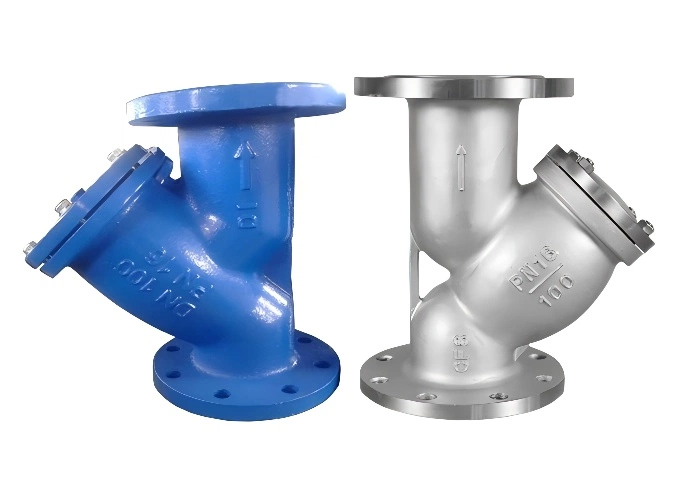
What Is a Y Strainer, and When Do You Need One?
A Y strainer is a compact pipeline filter shaped like the letter “Y,” designed to catch solid particles in liquid, gas, or steam lines before they reach downstream equipment like ball valves and control valves. Unlike basket strainers, Y strainers are built for high-pressure horizontal lines, and can be installed in either vertical or horizontal orientation depending on flow direction.
You need a Y strainer any time debris from welding scale, pipe rust, seal material, or process particulates could damage sensitive equipment. They are especially common in oil & gas, chemical processing, steam systems, and water treatment installations. Most plant engineers size one per major pump, compressor, and turbine inlet to avoid unplanned shutdowns from debris damage.
Step 1: Choose the Right Mesh Size
Mesh size is measured by the number of openings per linear inch. The smaller the micron rating, the finer the filtration. Choosing the right mesh is a balance: too fine, and you will face frequent cleaning and high pressure drop; too coarse, and particles will slip through and damage equipment. Always confirm the maximum particle size allowed by your downstream equipment manufacturer before selecting a screen.
| Mesh Size | Micron Rating | Best Application |
|---|---|---|
| 10-20 mesh | 800-2000 μm | Coarse protection for pumps, large particulates |
| 30-40 mesh | 400-600 μm | General industrial water, low-pressure gas lines |
| 60-80 mesh | 180-250 μm | Steam systems, chemical feed lines |
| 100 mesh | 150 μm | Fine filtration for instrumentation, control valves |
Step 2: Calculate Pressure Drop Limits
Pressure drop across a clean Y strainer should stay below 1 PSI (0.07 bar). Once the strainer catches debris, pressure drop rises; most operators clean the screen when differential pressure hits 5-10 PSI. Installing a differential pressure gauge across the strainer is a low-cost upgrade that alerts maintenance teams before clogging causes line shutdown.
If your line runs high flow velocity, a larger strainer body will keep pressure drop low. As a rule of thumb, size the strainer one pipe size larger than your line if flow velocity exceeds 6 ft/s in liquid lines or 30 ft/s in gas/steam lines.
Step 3: Pick Body Material for Your Medium
Material selection depends on your fluid and temperature:
- Carbon steel (WCB): For water, oil, and non-corrosive gas lines up to 425°C
- Stainless steel 304/316L: For chemical, food-grade, and corrosive media, matching the material of your butterfly valves downstream
- Cast iron: Low-pressure water service, low-cost option for non-critical lines
Common Sizing Mistakes to Avoid
Mistake 1: Using mesh too fine for the application. A 100 mesh strainer on a raw water line will clog in days, causing unnecessary downtime. Start coarser, and only move to finer mesh if equipment specs require it.
Mistake 2: Forgetting the cleanable screen factor. Y strainers need to be opened and cleaned; choose a size that leaves easy access for the maintenance team, especially in buried or elevated piping.
Mistake 3: Installing a Y strainer vertically without orientation check. When installing vertically, confirm flow direction matches the strainer arrow — reverse flow will dump captured debris back into the line. Always keep a spare screen in stock on site to cut cleaning downtime during scheduled maintenance.