
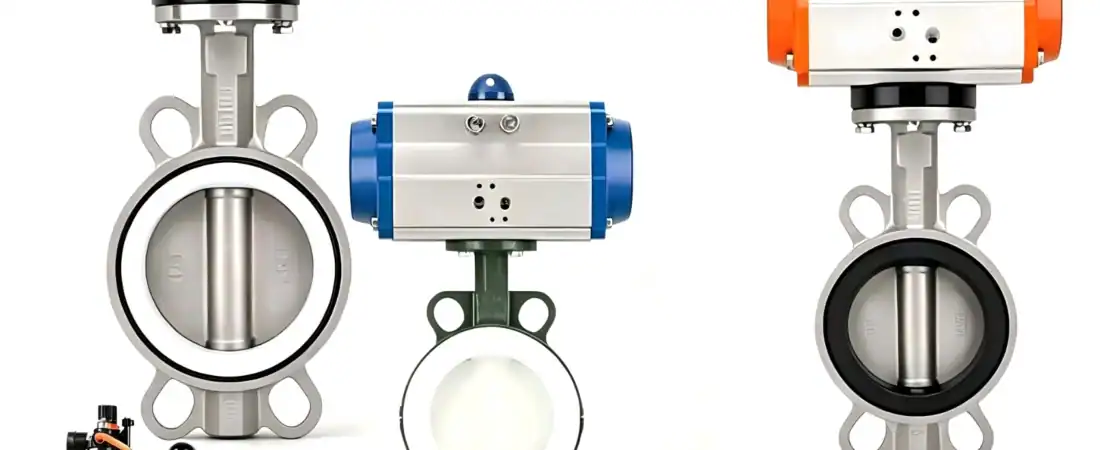
Electric vs Pneumatic Actuated Ball Valve: Which Is Better?
The complete 2026 comparison — speed, fail-safe, explosion-proof, throttling, maintenance, and a quick decision guide for automated ball valve selection in Southeast Asia and the Middle East EPC projects.
* Standard lead time depends on order quantity and destination country. 5–10 days to Southeast Asia, 15–20 days to the Middle East.

Quick Answer
For most industrial plants that already have compressed air, a pneumatic double-acting (or spring-return) actuated ball valve is the better default: it’s fast (0.5–2 s), no electrical spark risk in hazardous areas, can fail-safe with a spring cartridge, and is cheaper upfront at small-to-medium sizes (DN15–DN100). Choose an electric actuator only when (1) there is no plant air, (2) you need precise 4–20 mA modulating control, or (3) the valve is in a quiet commercial building. ATEX / IECEx rated electric actuators can close the hazardous-area gap but add a substantial cost premium.
Key Takeaways
- Speed: Pneumatic 0.5–2 s · Electric 5–30 s.
- Fail-safe: Pneumatic spring-return = low-cost · Electric needs battery / spring cartridge (often not worth it).
- Hazardous area: Pneumatic is no electrical spark risk · Electric needs ATEX / IECEx enclosure (big premium).
- Precise throttling: Electric is more accurate (±0.5%) vs pneumatic positioner (±2%).
On This Page
1. How Each One Works
When you need to automate a ball valve, you have two main choices: electric actuator or pneumatic actuator. Both do the same thing — open and close the valve remotely — but they have noticeably different pros, cons, and best use cases. As a valve manufacturer with export experience since 2009 supplying both types, we’ll break down the differences.
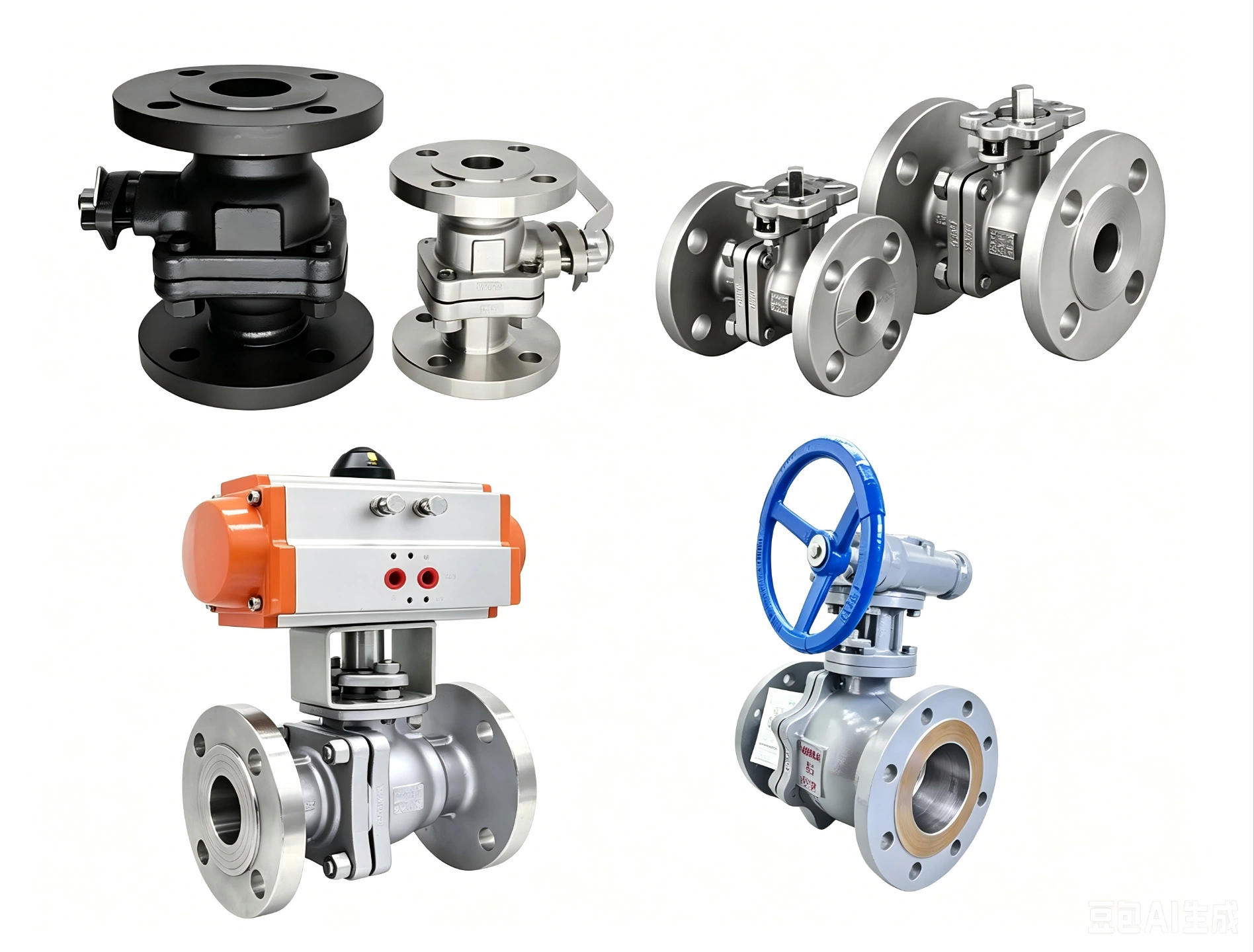
Pneumatic actuator: Uses compressed air (usually 5–7 bar / 70–100 psi) to drive a piston or rack-and-pinion that turns the valve stem. The air is controlled by a solenoid valve that switches airflow to open or close the actuator.
Electric actuator: Uses an electric motor (24 V DC, 110 V AC, or 220 V AC) to turn the valve stem through a gearbox. It’s controlled by an electrical signal (on/off or modulating 4–20 mA) and has internal limit switches that stop the motor at the open and closed positions. See our full range of pneumatic and electric actuated ball valves.
2. Side-by-Side Comparison
| Feature | Pneumatic Actuator | Electric Actuator |
|---|---|---|
| Speed | fast (0.5–2 seconds) | Slower (5–30 seconds) |
| Upfront cost (valve + actuator) | Lower (small–medium sizes) | Higher (roughly 2–5× more) |
| Power Source | Compressed air (plant air) | Electrical power (110 V / 220 V / 24 V) |
| Fail-Safe | Easy (spring return, low cost) | Hard (needs battery backup or spring cartridge) |
| Explosion-Proof | no electrical spark risk | Needs expensive ATEX / IECEx enclosure |
| Torque Range | Up to 10,000 Nm+ (scotch yoke) | Up to ~2,000 Nm (standard) |
| Maintenance | Low (few moving parts) | Medium (motor, gears, switches) |
| Noise | Louder (air exhausting) | Quiet (motor hum) |
| Temperature Range | Wide (−40 °C to +80 °C) | Limited (−10 °C to +60 °C) |
| Throttling accuracy | Good (with positioner, ≈±2%) | Excellent (precise 4–20 mA, ≈±0.5%) |
3. When to Choose Pneumatic Actuated Valve
Choose pneumatic if:
- You already have compressed air in your plant
- You need fast operation (pump control, batch processes)
- You need fail-safe (spring return — valve closes automatically if air fails)
- It’s a hazardous area (oil & gas, chemical — no electrical spark risk)
- You have large valves (DN150 and up — cheaper than electric)
- You’re on a tighter budget (pneumatic is cheaper for small–medium sizes)
- It’s for food & beverage or hygienic applications (easy to clean)
Typical pneumatic applications: Oil & gas refineries, chemical plants, water treatment, food & beverage processing, anywhere with existing compressed air. For hygienic service, see our pneumatic sanitary ball valves and pneumatic sanitary butterfly valves.
4. When to Choose Electric Actuated Valve
Choose electric if:
- You don’t have compressed air available (remote locations, buildings)
- You need precise flow control (modulating — electric is more accurate)
- It’s a remote location with no air supply
- Noise is a concern (electric is quieter)
- You don’t need fail-safe (or you can afford battery backup)
- It’s a small valve in a commercial building (HVAC, plumbing)
- You need slow, controlled operation (no water hammer)
Typical electric applications: Commercial building HVAC, remote water well sites, irrigation, small chemical dosing, water treatment where no air supply exists, quiet operation required.
5. Worked Example: Bangkok Brewery CIP Retrofit
Step 1 — Problem
A 50,000 hL/year craft brewery in Bangkok, Thailand had 12 manually operated DN80 sanitary ball valves on their CIP return line. Each batch cycle required 4 operators walking the line to open / close valves by hand — taking roughly 45 minutes per cycle, and human error caused 3 product-contamination incidents per year (valves left in the wrong position).
Step 2 — Options evaluated
Option A: Pneumatic double-acting actuators + solenoid valves (12 sets), including filter-regulator and limit switch box. The brewery already had plant air at 7 bar. Speed: 1.5 seconds per cycle.
Option B: Electric actuators (24 V DC, on/off, with manual override). Required new 24 V power supply and control wiring across the CIP line. Speed: 12 seconds per cycle. No native fail-safe (if power fails, the valve stays where it is).
Step 3 — Decision
Chose pneumatic because: (1) brewery already had plant air; (2) fail-safe was critical — if air fails, spring return closes the CIP valve to prevent caustic mixing into bright beer; (3) fast cycling (1.5 s vs 12 s) cut CIP cycle time by roughly one-third; (4) hygienic area — pneumatic is no electrical spark risk (no spark risk near ethanol vapor). Electric would also have required new cable trays and a 24 V control panel, adding meaningful installation cost.
Step 4 — Result after 1 year
• CIP cycle time reduced by one-third (≈45 min → ≈30 min) — roughly 2 extra batches per week
• Zero human-error contamination incidents (valves sequenced automatically by PLC)
• Labor saved: 4 operators × 45 min × 2 cycles / day ≈ 6 labor-hours / day
• The investment paid back in roughly 6 months on the combined pneumatic hardware cost
• Bonus: the 5-year operating cost showed electric would have cost more over the lifecycle (wiring, controls, motor replacement) — pneumatic was cheaper over lifecycle despite similar upfront cost
Why EPC Contractors Specify Actuated Ball Valves with Chuanglan
Pneumatic double-acting & spring-return actuators · electric 24 V / 110 V / 220 V · on/off or modulating 4–20 mA
ISO 5211 mounting pad standard · Namur solenoid · limit switch box · positioner · ATEX / IECEx on request
ISO 9001:2015 · shell and seat pressure tested · EN 10204 3.1 MTC · MOQ 1 piece
Not Sure Which Actuator You Need?
Tell us your medium, pressure, size, and whether you have compressed air available — our engineers will recommend pneumatic vs electric within 24 hours, including fail-safe and ATEX options.
Get Free Sizing Report → WhatsApp us6. Cost Comparison (Small–Medium Size)
| Ball Valve Size | Pneumatic (DA + Solenoid + LS) | Electric (24 V AC, On/Off) | Relative Cost |
|---|---|---|---|
| DN25 (1″) | Entry tier | Mid tier | Electric ≈ 2× pneumatic |
| DN50 (2″) | Entry–mid tier | Mid tier | Electric ≈ 2× pneumatic |
| DN100 (4″) | Mid tier | Mid–high tier | Electric ≈ 2× pneumatic |
| DN150 (6″) | Mid–high tier | High tier | Electric ≈ 2× pneumatic |
| DN200+ (8″+) | High tier (scotch yoke) | Premium tier | Electric 2–3× pneumatic |
Note: These are relative tiers, not fixed prices. Electric actuators also need power wiring and a control panel (electrical installation), while pneumatic needs air tubing and a filter-regulator — add installation cost accordingly for your scope.
7. Common Mistakes People Make
Mistake 1: Choosing electric because it’s “simpler.” People think “no compressor needed” is simpler, but electric actuators need wiring, control panels, and are more expensive to maintain. If you already have compressed air in your plant, pneumatic is almost always cheaper and more dependable.
Mistake 2: Forgetting fail-safe. For safety-critical applications (emergency shutdown, pump discharge), you need the valve to fail closed if power / air is lost. Pneumatic spring return does this at low cost. Electric needs expensive battery backup — often not worth it.
Mistake 3: Using electric in a hazardous area. Electric actuators in oil / gas or chemical plants need expensive ATEX / IECEx enclosures. Pneumatic is no electrical spark risk (no electricity, no spark risk) and much cheaper for hazardous areas.
Mistake 4: Using pneumatic for precise throttling. Pneumatic actuators can modulate, but they’re not as precise as electric. If you need accurate flow control (chemical dosing, blending), electric with a positioner is better.
8. Quick Decision Guide
Ask yourself these questions in order:
1. Do you already have compressed air in your plant?
→ Yes: Choose pneumatic (cheaper, simpler)
→ No: continue
2. Do you need fail-safe (valve closes if power / air fails)?
→ Yes: Choose pneumatic spring return
→ No: continue
3. Is it a hazardous area (oil / gas / chemical)?
→ Yes: Choose pneumatic (no electrical spark risk)
→ No: continue
4. Do you need precise flow modulation (0–100% control)?
→ Yes: Choose electric (more accurate)
→ No: continue
5. Is it a remote location with no compressed air?
→ Yes: Choose electric
→ No: Choose pneumatic
9. Southeast Asia & Middle East Market Notes
For clients in Southeast Asia (Thailand, Vietnam, Indonesia, Malaysia, Philippines), pneumatic actuators dominate food & beverage, brewery, and chemical plants — most EPC contractors (especially Thai and Vietnamese breweries) prefer pneumatic because plant air is standard in hygienic plants. Bangkok, Ho Chi Minh, and Jakarta brewery CIP retrofit projects almost always specify pneumatic double-acting with spring return. Electric actuators are preferred for commercial building HVAC (Bangkok, Kuala Lumpur high-rise offices) where no compressed air exists.
For clients in the Middle East (Saudi Arabia, UAE, Qatar, Kuwait, Oman, Bahrain), oil & gas and petrochemical projects (Saudi Aramco, ADNOC, SABIC) universally require pneumatic actuators in hazardous areas — electric actuators need expensive ATEX / IECEx explosion-proof certification. UAE district cooling plants (Dubai, Abu Dhabi) use electric actuators for small chilled water valves in commercial buildings (no hazardous area, no air supply). Saudi SWRO desalination plants use pneumatic for brine and chemical dosing lines.
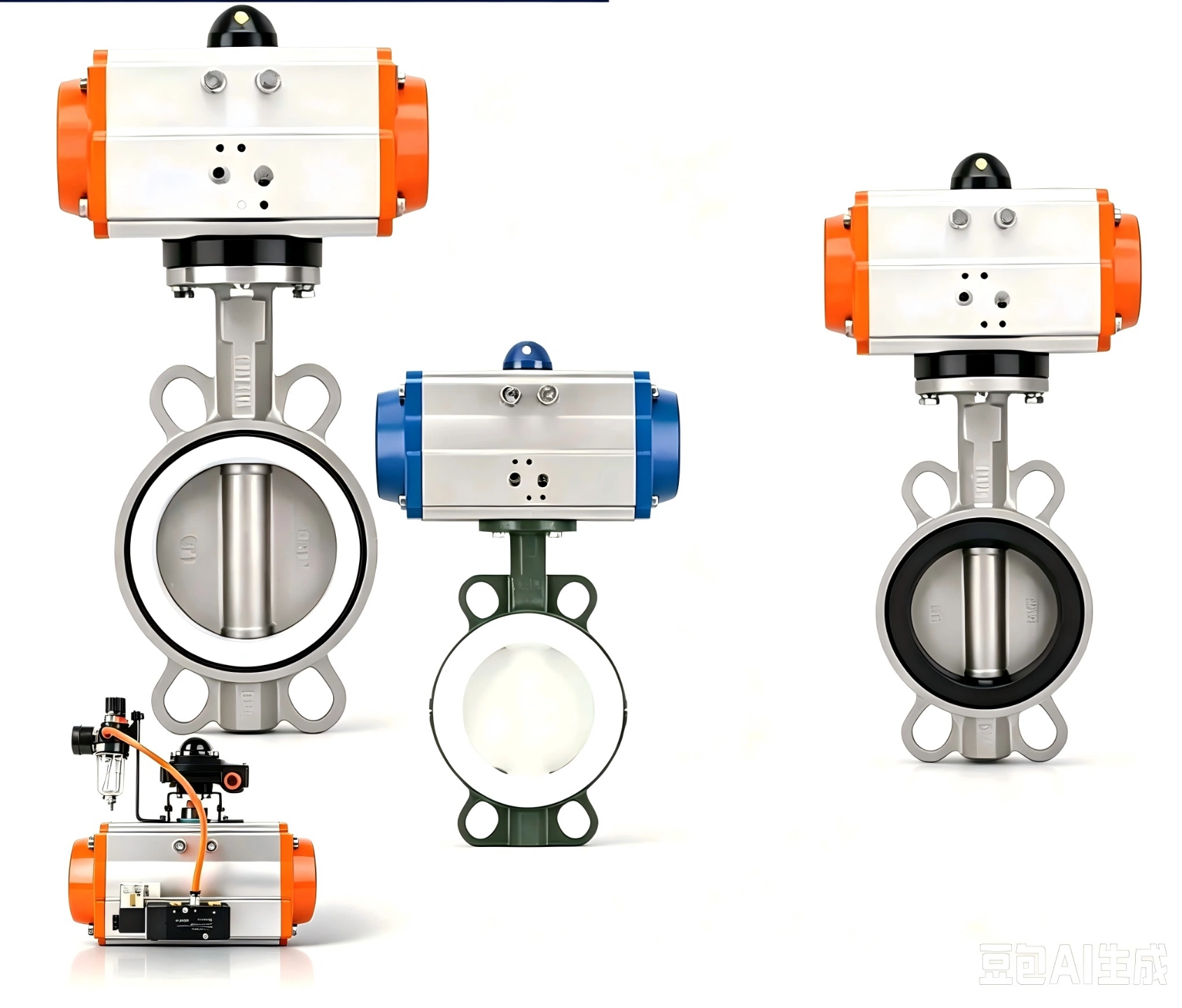
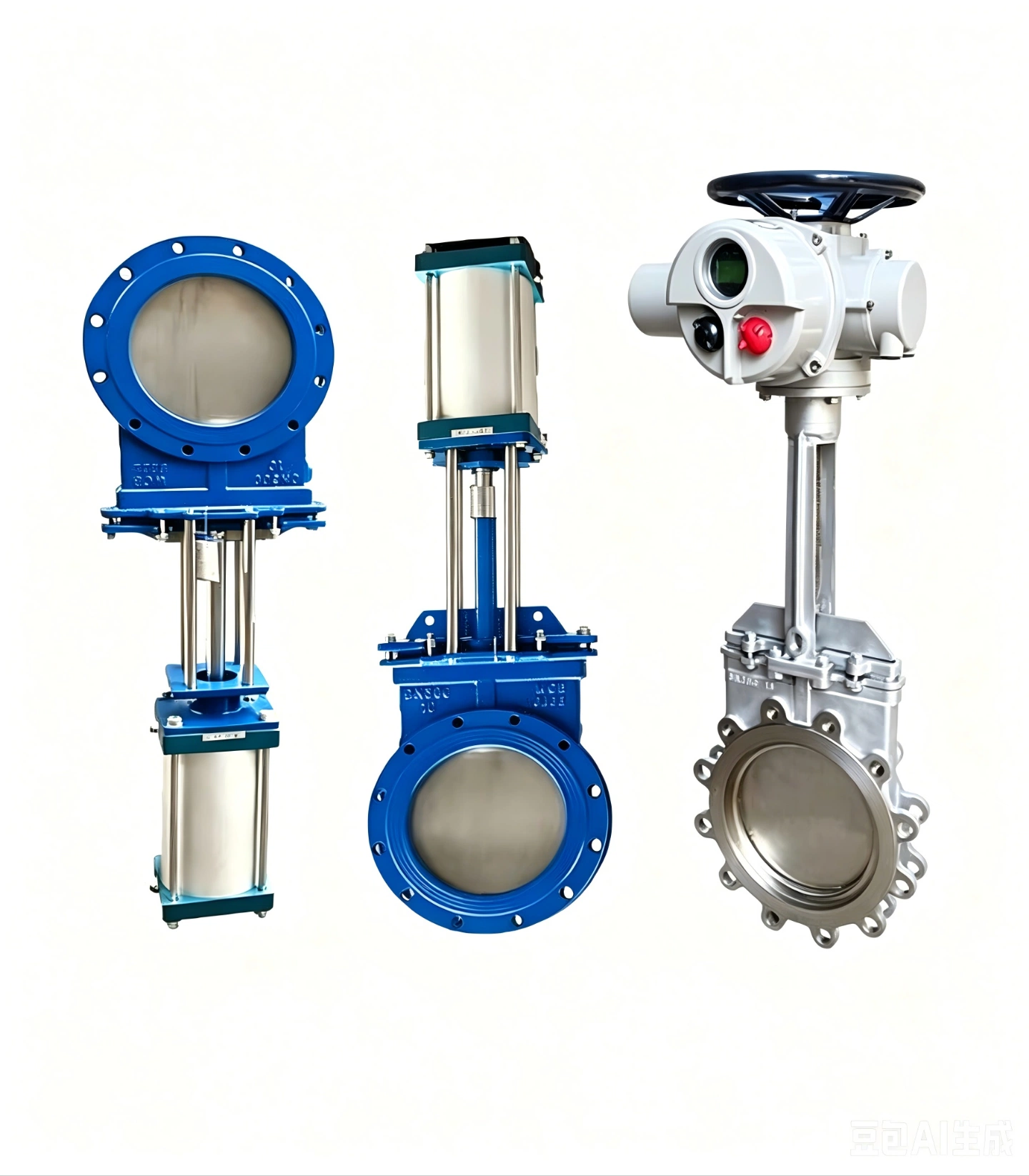
Chuanglan Valve supplies pneumatic and electric actuated ball valves, plus pneumatic wafer butterfly valves, pneumatic knife gate valves, pneumatic sanitary ball valves, and pneumatic sanitary butterfly valves. Serving EPC Contractors Across Southeast Asia & Middle East · ISO 9001:2015 · Established in 2009 · MOQ 1 piece.
FAQ
Can I retrofit a manual ball valve with an actuator later?
Yes — most standard ball valves with an ISO 5211 mounting pad can be retrofitted with either pneumatic or electric actuators using a mounting bracket and coupling. This is a common retrofit strategy: start with manual valves, add actuators when budget allows. Confirm the valve has an ISO 5211 mounting pad before ordering the actuator.
What is spring return (fail-safe) and why does it matter?
Spring-return pneumatic actuators have an internal spring that pushes the valve to a safe position (open or closed) when air pressure is lost. This is essential for safety-critical applications — pump discharge, emergency shutdown, CIP systems. Electric actuators need a battery backup or spring cartridge to achieve the same fail-safe, which adds a substantial cost premium.
How do I size the actuator torque for my ball valve?
Ball valves require breakout torque (to start moving the ball) plus running torque. As a rule of thumb, size the actuator to 1.5× the valve’s maximum required torque at the worst-case pressure differential. Reference ball-valve torque: DN25 ≈ 5–10 Nm · DN50 ≈ 15–30 Nm · DN100 ≈ 50–100 Nm · DN150 ≈ 150–300 Nm. We provide torque data sheets with every quotation.
What is ATEX / IECEx and when do I need it?
ATEX (Europe) and IECEx (international) are explosion-proof certifications for electrical equipment used in hazardous areas (oil & gas, chemical, dust). If your electric actuator is in a Zone 1 or Zone 2 hazardous area, you need an ATEX / IECEx rated actuator. Pneumatic actuators don’t need this (no electricity, no spark risk) — that’s the main reason they dominate oil & gas.
How long does an actuator last?
Pneumatic actuators: 10–20 years (few moving parts — just replace seals every 3–5 years). Electric actuators: 8–15 years (motor brushes, gearbox, limit switches wear out). Both types are rebuildable — you don’t need to replace the whole actuator.
Can electric actuators be used for throttling (not just on/off)?
Yes — electric actuators with a 4–20 mA position signal and internal potentiometer can modulate the valve between 0–100% open. This is excellent for precise flow control (chemical dosing, blending, temperature control). Pneumatic actuators can also modulate with a valve positioner, but electric is more accurate (≈±0.5% vs ≈±2%).
What is the lead time from Chuanglan?
Standard pneumatic double-acting actuators on DN25–DN100 ball valves: 7–15 days in stock. Spring return, electric actuators, ATEX rated, and DN150+: 15–30 days. Full EN 10204 3.1 MTC, Namur solenoid, limit switch box, and positioner options available.
References & Standards
- ISO 5211: Industrial valves — part-turn valve actuator attachments
- VDI / VDE 3845: Namur standard for solenoid valve mounting on pneumatic actuators
- IECEx / ATEX 2014/34/EU: Equipment for explosive atmospheres
- ANSI / ISA-51.1: Process instrumentation terminology (4–20 mA signal)
- MSS SP-110: Ball Valves for general industrial service
Related Products
Continue Reading
Request a Quotation — Reply Within 24 Hours
Send your line size, pressure rating, medium and quantity. Our engineers come back with price, drawing and lead time — no obligation.
Get a Quote for Your Actuated Ball Valve Project
MOQ: 1 piece · ISO 9001:2015 · 3.1 MTC included · shell and seat pressure tested
Southeast Asia: Indonesia, Malaysia, Thailand, Vietnam, Singapore, Philippines
Middle East: Saudi Arabia, UAE, Qatar, Kuwait, Oman, Bahrain
Other Regions: Europe, North America, South America, Africa, Australia
Delivery: 5–10 days to Southeast Asia · 15–20 days to the Middle East · 25–35 days to Europe / the Americas
Payment: T/T 30% deposit + 70% before shipment · L/C at sight · Warranty: 12 months after shipment for material and manufacturing defects · Packing: export plywood case / fumigation-free pallet · Shipping: FOB Ningbo/Shanghai · Documents: EN 10204 3.1 MTC + packing list + commercial invoice · Third-party inspection welcome: SGS / Bureau Veritas / Intertek
Get Free Quote »