
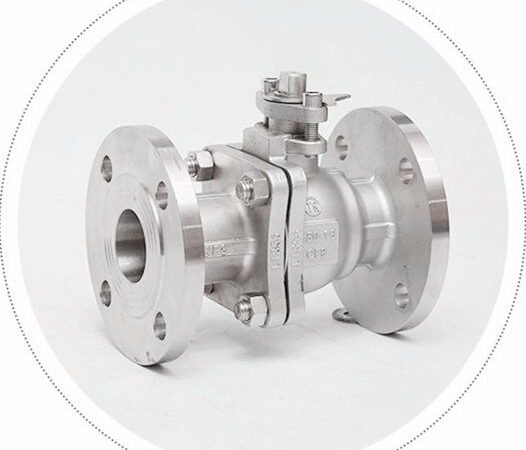
PN vs Class Pressure Rating: Simple Explanation for Buyers
The complete 2026 engineering guide to PN (European) vs Class (American) pressure ratings — PN10/16/25/40/63/100 vs Class150/300/600/900/1500/2500, temperature derating curves, flange drilling differences (EN 1092 vs ASME B16.5), why PN16 is NOT the same as Class150 at high temperature, common sourcing mistakes, and a worked example from a Cebu shipyard OSV project.
* Standard lead time depends on order size and destination. 5–10 days to Southeast Asia, 15–20 days to the Middle East.

Quick Answer
PN (Pression Nominale) is the European / ISO pressure rating in bar (PN16 = 16 bar nominal), used on EN 1092 flanges and most of Asia / China. Class (or “#”, e.g. “150#”) is the American dimensionless rating per ASME B16.5 — Class150 does NOT mean 150 psi. At room temperature PN16 roughly equals Class150 in pressure rating, but at 200°C+ they cross over and derate differently. The single most important rule: PN and Class flange drilling (bolt holes, PCD, bolt size) are NOT interchangeable — a PN16 flange will not bolt onto a Class150 flange even if the pressure rating “matches.” Always request a flange dimension drawing before ordering.
Key Takeaways
- Pressure only (room temp): PN16 ≈ Class150 · PN40 ≈ Class300 · PN63 ≈ Class400/600 · PN100 ≈ Class600
- High temperature: Class150 derates faster than PN16 above 200°C — at 300°C Class150 ≈ 10 bar vs PN16 ≈ 11.3 bar
- Flange drilling: EN 1092 (PN) and ASME B16.5 (Class) bolt patterns are different — cannot be bolted together directly
- Sourcing rule: On the PO explicitly state “EN 1092 PN16” or “ASME B16.5 Class150” — never just say “equivalent”; request a flange drawing before production
On This Page
Related reading: valve markings explained (WOG, WSP, PN and Class) — how to read the stamp on a valve body.
What Does “PN” Mean?
One of the most common points of confusion when sourcing valves internationally is the difference between PN (European) and Class (American) pressure ratings. Mixing them up can lead to valves that are unsafe or mismatched for your system.
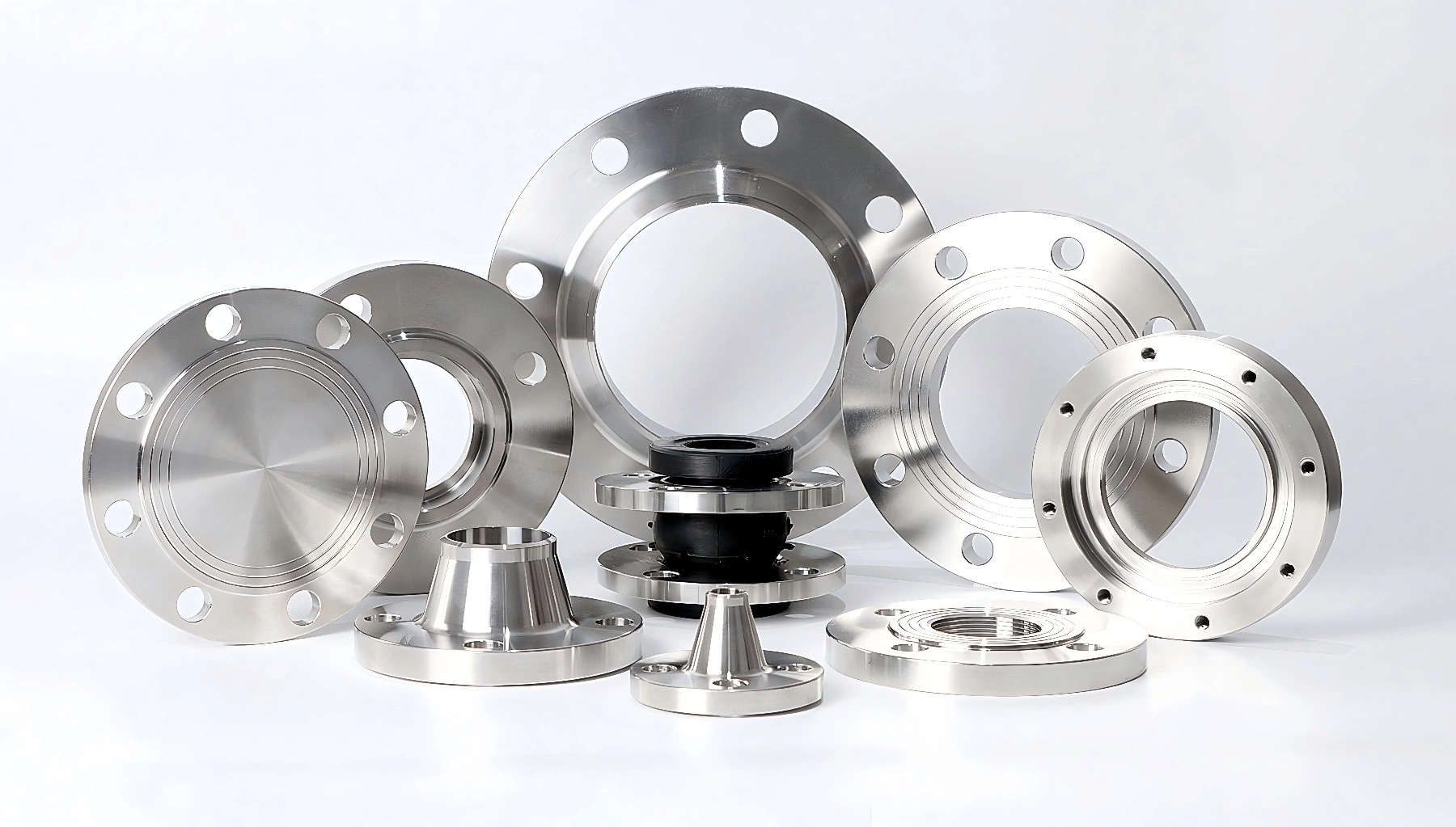
PN (Pression Nominale, French for “nominal pressure”) is the European / ISO pressure rating system used in EN 1092 flanges, EN 12266 valves, and most of Asia (including China, which uses GB standards aligned with ISO). PN is stated in bar — PN16 means 16 bar nominal pressure. PN is a nominal rating, not a fixed maximum: the allowable pressure drops as temperature rises (we’ll cover this below). See our stainless steel flanges product line for both PN and Class drilling.
What Does “Class” Mean?
Class (or “#” — e.g., “150#”) is the American pressure rating system per ASME B16.5, B16.34, and API 6D. Class is not stated in bar or psi — it’s a dimensionless number. Class150 does NOT mean 150 psi working pressure; it means the valve is rated to the Class150 pressure-temperature curve in ASME B16.5. At room temperature, Class150 happens to be ~20 bar (290 psi) for most materials — but at 200°C it drops to ~13 bar.
PN vs Class Equivalents at Room Temperature
At room temperature (~20–100°C), PN and Class roughly align as follows (for carbon steel / stainless steel body):
| European PN | American Class | Max Pressure at ≤100°C (bar) | Typical Use |
|---|---|---|---|
| PN10 | — (no direct equivalent) | 10 bar | Low-pressure water, HVAC, large ducting |
| PN16 | Class150 (approximate) | 16 bar | Most common: water treatment, HVAC, general industrial |
| PN25 | — (between Class150 and Class300) | 25 bar | Medium steam, process piping |
| PN40 | Class300 (approximate) | 40 bar | High-pressure water, steam, oil & gas |
| PN63 | Class400 / Class600 (approximate) | 63 bar | High-pressure process, boiler feedwater |
| PN100 | Class600 (approximate) | 100 bar | Refinery, oil & gas well service |
| PN160 | Class900 | 160 bar | High-pressure pipeline, wellhead |
| PN250 | Class1500 | 250 bar | HP pipeline, sour service |
| PN400 | Class2500 | 400 bar | Extreme high-pressure (wellhead, hydraulic) |
Important: The “approximate” equivalence is only at room temperature. At high temperature, Class150 drops much faster than PN16 — see next section.
Temperature Derating: Why Ratings Drop
Pressure ratings change with temperature. A Class150 valve rated for 19.6 bar at room temperature may only hold 10 bar at 300°C. Always specify your operating temperature when requesting a quote to ensure the valve is suitable for your service conditions.
This is the single most common mistake when sourcing valves. Here’s the derating for carbon steel (WCB / A105) body:
| Temperature | PN16 Allowable Pressure | Class150 Allowable Pressure | Comment |
|---|---|---|---|
| ≤100°C | 16 bar | ~19.6 bar | Class150 is actually higher than PN16 at room temp |
| 200°C | 14.4 bar | ~13.1 bar | They cross over — now PN16 is higher |
| 300°C | 11.3 bar | ~10.2 bar | Class150 has dropped below PN16 |
| 400°C | 7.2 bar | ~7.9 bar | Both are marginal — upgrade to PN25 / Class300 |
| 500°C | Not rated (WCB fails above 425°C) | ~4.3 bar | Use alloy steel WC6 / WC9 for high temp |
Rule of thumb: For service at 200°C or higher, do NOT assume PN16 = Class150. Check the actual pressure-temperature curve in EN 1092-1 (for PN) or ASME B16.5 (for Class) for your specific body material. When in doubt, uprate one step (PN16 → PN25 / Class150 → Class300).
Critical Difference: Flange Drilling Is NOT Interchangeable
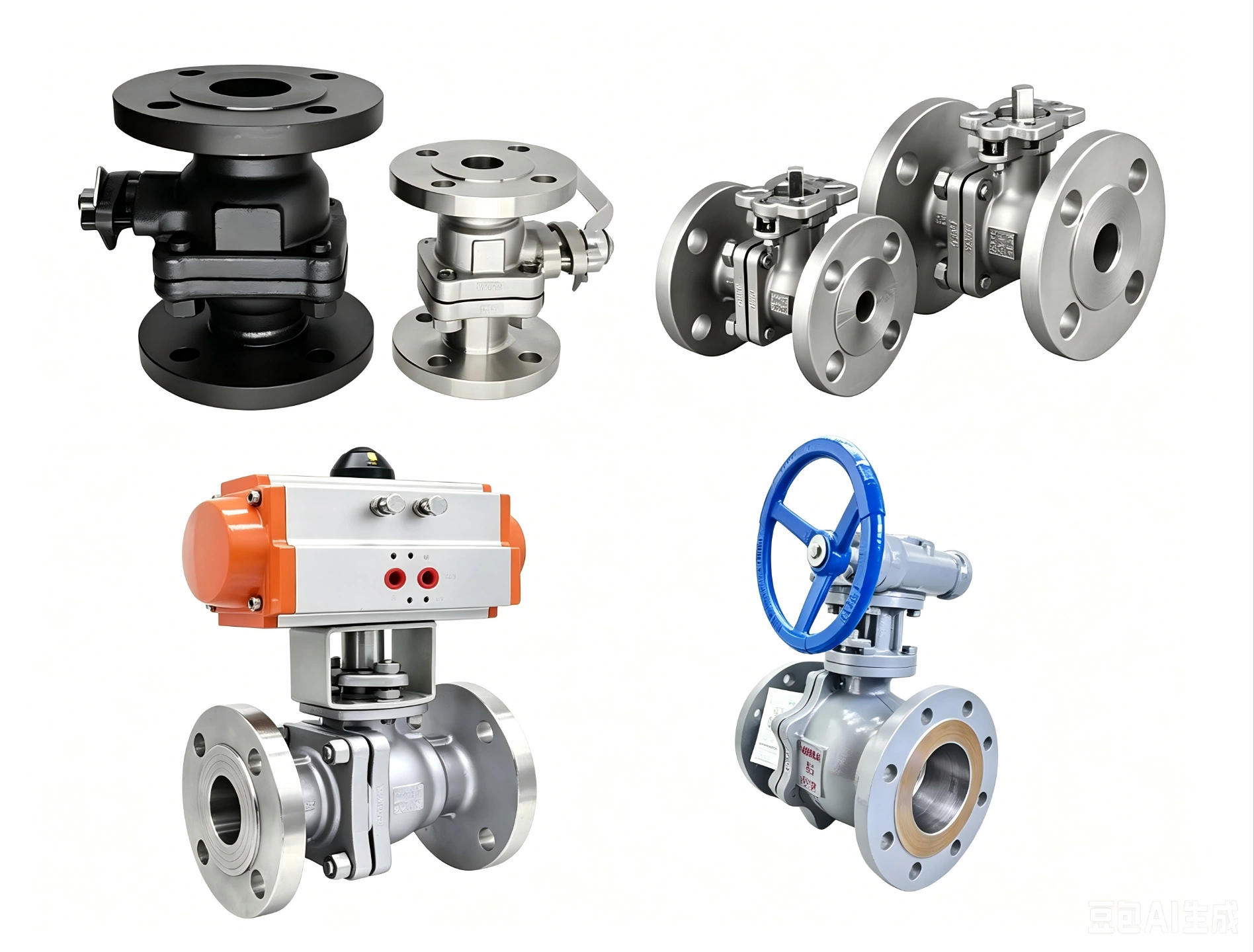
This is the other critical mistake. Even if the pressure rating is “equivalent,” the flange drilling (bolt hole pattern) is NOT the same between EN 1092 (PN) and ASME B16.5 (Class). A PN16 flange will NOT bolt onto a Class150 flange — the number of bolts, bolt circle diameter, and bolt hole size are all different.
| Size | PN16 Flange Drilling (EN 1092-1) | Class150 Flange Drilling (ASME B16.5) |
|---|---|---|
| DN50 (2″) | 4 × M16 bolts, Ø165 mm PCD | 4 × 5/8″ bolts, Ø120.5 mm PCD |
| DN80 (3″) | 8 × M16 bolts, Ø200 mm PCD | 4 × 5/8″ bolts, Ø152 mm PCD |
| DN100 (4″) | 8 × M16 bolts, Ø220 mm PCD | 8 × 5/8″ bolts, Ø190.5 mm PCD |
| DN150 (6″) | 8 × M20 bolts, Ø285 mm PCD | 8 × 3/4″ bolts, Ø241.5 mm PCD |
| DN200 (8″) | 8 × M20 bolts, Ø340 mm PCD | 8 × 3/4″ bolts, Ø298.5 mm PCD |
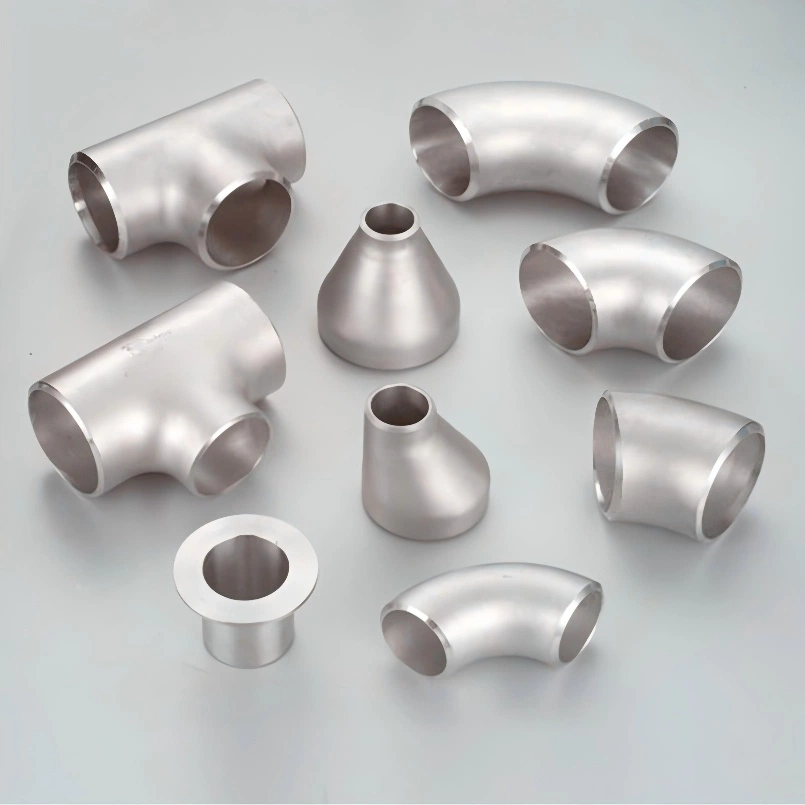
They look similar but every dimension is different. You cannot mix them. If your piping system uses ANSI flanges (common on US-sourced pumps, compressors, heat exchangers), you must buy ANSI Class flanged valves — not PN. If your piping uses EN flanges (common on European and Chinese equipment), buy PN. If you need to connect them, use a lap joint flange with stub end or a flange adaptor spool — never force a bolt pattern that doesn’t match.
Worked Example: Cebu OSV Flange Mismatch
Step 1 — Problem
A shipyard in Cebu, Philippines was building a new 75-meter Offshore Supply Vessel (OSV) for a Gulf of Mexico oil services company. The vessel’s sea water cooling system used 14 × DN80 flanged ball valves (sea chest, cooling pump, heat exchanger discharge). The naval architect specified ANSI B16.5 Class150 flanges on all sea water equipment — the sea water pumps, heat exchangers, and sea chest connections were US-manufactured (Johnson Pump, Alfa Laval) with Class150 drilling. The shipyard’s procurement officer sourced the 14 ball valves from a Chinese valve supplier who quoted “PN16 flanged ball valve, equivalent to Class150.” The supplier’s quoted price was roughly 44% below the next quote from a verified ANSI Class supplier — the procurement officer chose the cheaper one, relying on the “equivalent to Class150” claim.
Step 2 — What happened
The 14 valves arrived at the Cebu shipyard. During installation, the fitter tried to bolt the first DN80 valve onto the Class150 sea water pump flange. The bolt holes didn’t line up: the PN16 DN80 flange had 8 bolts at 200 mm PCD, while the Class150 DN80 pump flange had 4 bolts at 152 mm PCD. Nothing matched. The shipyard pulled the flange drawing and confirmed: the supplier had shipped EN 1092 PN16 flanges, not ANSI B16.5 Class150. The valves were functionally fine (pressure rating, CF8M body, ball, seats) — but they would not physically bolt onto the ship’s equipment.
Step 3 — Root cause analysis
The Chinese supplier had made an honest mistake (assumed “Class150” = “PN16” with the standard EN flange drilling they stock), and the procurement officer accepted the claim without checking the dimensional drawing. Nobody requested a flange drilling drawing before ordering. The pressure rating was “equivalent” — but the flange drilling was completely different. For shipbuilding, this is a critical error: OSV sea water piping must be USCG and ABS (American Bureau of Shipping) listed, and all flanges must match the equipment they connect to.
Step 4 — Correct remediation
The shipyard had two options: (1) machine new Class150 flange bolt holes onto the existing PN16 valve flanges (impossible — the PN16 flange has 8 holes at 200 mm PCD; you can’t re-drill to 4 holes at 152 mm PCD on the same flange face without weakening it), or (2) return the 14 valves and reorder with ANSI B16.5 Class150 flanges. Option 2 was chosen. The shipyard absorbed the cost of returning the 14 PN16 valves (shipping + restocking) and expedited air freight for 14 new DN80 CF8M Class150 flanged ball valves from a verified supplier.
Step 5 — Cost & outcome (relative index: 1.0× = the correct 14-valve DN80 Class150 CF8M bundle the shipyard should have ordered originally)
• 14 × DN80 PN16 CF8M flanged ball valves (wrong, returned): ~0.56× the bundle
• Return shipping Cebu to China + restocking: ~0.4×
• 14 × DN80 Class150 CF8M flanged ball valves (correct, air-freighted): 1.0× the bundle
• Air freight premium (vs sea freight): ~0.5×
• Shipyard installation crew waiting 12 days for new valves (standby labor): ~1.5×
• OSV sea trials delayed 12 days (vessel launch slip): ~21× the bundle
• USCG / ABS re-inspection fee after valve replacement: ~1.8×
• Total incident cost: ~27× the correct valve bundle.
• Lesson: “PN16 equivalent to Class150” refers only to pressure-temperature rating — it does NOT mean the flange drilling is the same. Before ordering any flanged valve, always request a flange dimension drawing (showing PCD, bolt count, bolt size, flange face type: RF / RTJ / FF) and compare it to the equipment it connects to. The 44% per-valve price discount was trivial compared to the ~27× incident cost. For shipbuilding and any project with US-sourced equipment, explicitly specify ASME B16.5 Class drilling on the PO — never just “Class150 equivalent.” See our flange product line for both drilling patterns.
How Chuanglan Avoids the PN vs Class Mistake on Every Order
On every flanged valve PO, we confirm: flange standard (EN 1092-1 PN or ASME B16.5 Class), pressure rating, facing type (RF / RTJ / FF), and gasket size
We send a flange dimension drawing for your approval before production — PCD, bolt count, bolt size, flange OD, thickness, raised-face height
We manufacture both EN 1092 PN drilling and ASME B16.5 Class drilling in-house — no need to re-drill or use adaptors
For shipbuilding and oil & gas, we provide ABS / DNV / LR / BV documentation and witness hydrotest
Original mill EN 10204 3.1 MTC, PMI report, and third-party inspection (SGS / BV / Intertek) on request
Not Sure Whether Your Valve Needs PN or Class Flanges?
Send us a photo of the existing flange (or the equipment flange drawing) and your operating temperature. Our engineers will confirm whether you need PN16 / PN40 or Class150 / Class300, and provide the exact flange drilling drawing before production — so there are no surprises on site.
Get Free Sizing Report → WhatsApp usSoutheast Asia & Middle East Market Notes
For clients in Southeast Asia, the PN vs Class mismatch is one of the most common sourcing headaches. Southeast Asia is a mix of both standards: Indonesian and Malaysian oil & gas projects (Chevron, Petronas, Pertamina) often use US-sourced equipment (pumps, compressors, heat exchangers) with ANSI Class flanges, while local piping and Chinese-sourced valves use PN. Thai and Vietnamese HVAC / water treatment projects are almost entirely PN (European / Chinese equipment). Singapore and Malaysian shipyards (Keppel, Sembcorp, Penang, Labuan) build vessels for global owners — the flanges must match the owner’s specification (often ANSI for US Gulf / North Sea, PN for European / the Middle East owners). Southeast Asian EPCs typically handle this by specifying lap joint flanges or flange adaptors at equipment connections, so a PN valve can bolt to a Class flange via a transition piece. Chuanglan supplies both PN (EN 1092) and Class (ASME B16.5) flanged valves — tell us which standard you need and we’ll manufacture to the correct drilling.
For clients in the Middle East, both standards are also common. Saudi Aramco, ADNOC, KNPC, and QatarEnergy projects are overwhelmingly ANSI Class (US oil industry heritage) — Class150/300/600/900/1500 flanges per ASME B16.5, with API 6D valve certification. EU-funded projects (especially in UAE healthcare, district cooling, and water) and Chinese EPC projects (PowerChina, Sinopec in Saudi and Iraq) tend to use PN. Middle East shipyards (Dubai Drydocks, Abu Dhabi MAR, Bahrain) build vessels for global owners and must match the owner’s classification society (ABS for US, DNV for European, LR for British). For SWRO desalination plants (Jubail, Taweelah, Ras Al Khair), the high-pressure brine piping uses Class 900/1500 flanges — PN16 / PN40 would be grossly inadequate. Serving EPC Contractors Across Southeast Asia & Middle East · ISO 9001:2015 · Established in 2009. Chuanglan supplies flanged valves in both PN and Class ratings, with full flange drawings, EN 10204 3.1 MTC, and third-party inspection support to contractors across Saudi Arabia, UAE, Qatar, Kuwait, Oman, and Bahrain.
FAQ
Is PN16 the same as Class150?
At room temperature, they are roughly equivalent in pressure rating (Class150 is actually slightly higher). But at temperatures above 200°C, Class150 derates faster than PN16. More importantly, the flange drilling is completely different — PN16 uses EN 1092 bolt patterns, Class150 uses ASME B16.5 bolt patterns. They cannot be bolted together without a transition flange or lap joint stub end.
Is PN40 the same as Class300?
Roughly equivalent at room temperature, different at high temperature, and completely different flange drilling. PN40 DN100 has 8 × M16 bolts at 235 mm PCD; Class300 DN100 has 8 × 3/4″ bolts at 235 mm PCD (PCD is closer than PN16 vs Class150, but bolt size, flange thickness, and raised-face height differ). Always check the drawing.
Which standard should I specify when buying from China?
Chinese valve manufacturers default to PN (EN 1092 / GB) drilling because most Chinese domestic piping uses PN. If your project uses US-sourced equipment with ANSI flanges, you must explicitly specify “ASME B16.5 Class150 / Class300 flanges” on the PO and request a flange drawing before production. Do not assume “Class150” means they will drill ANSI holes.
Can I mix PN and Class flanges?
Not directly — the bolt patterns don’t match. Use one of these: (1) lap joint flange with stub end (the stub end matches the pipe, the lap flange matches the other side’s drilling), (2) flange adaptor spool piece with PN on one end and Class on the other, (3) change one side to match the other. Never re-drill a PN flange to Class dimensions — you will damage the flange’s pressure integrity.
What pressure rating do I need for 20 bar steam at 220°C?
Check the derating curve. At 220°C, PN16 carbon steel derates to ~14 bar — not enough for 20 bar. Class300 derates to ~45 bar at 220°C — more than enough. Specify PN40 (derates to ~36 bar at 220°C) or Class300. When in doubt, uprate one step. For boiler feedwater and high-pressure steam, always specify PN40 or Class300 minimum.
What does “#” mean after a valve size (e.g., “150#”)?
The “#” symbol is the old way of writing “Class” — “150#” means Class150. It is a US oil & gas industry convention from the days when flanges were rated in “pounds per square inch” (150# = 150 psi working pressure). This is misleading today because Class150 at room temperature is actually ~290 psi, not 150 psi. But the convention stuck — when you see “150#” on a datasheet, it means ASME B16.5 Class150.
What is the lead time for Chuanglan PN vs Class flanged valves?
Standard PN16 / PN40 flanged valves (EN 1092 drilling) ship in 7–15 days from stock. Class150 / Class300 flanged valves (ASME B16.5 drilling) are also in stock for DN15–DN100 — ship in 15–30 days. Class600+ and custom flange drilling drawings: 25–35 days. We provide flange dimension drawings for free before production so you can confirm the drilling matches your equipment. MOQ 1 piece.
References & Standards
- ASME B16.5 — Pipe Flanges and Flanged Fittings (NPS 1/2 through NPS 24)
- EN 1092-1 — Steel flanges for piping (PN-designated, European equivalent)
- ASME B16.34 — Valves, flanged, threaded, and welding end
- API 6D — Pipeline valves (oil & gas pipeline specification)
- ASME B16.5 pressure-temperature rating tables — derating curves for Group 1.1, 1.2, 1.3 materials
- EN 12266 — Industrial valves — testing of metallic valves
Related Products
Continue Reading
Request a Quotation — Reply Within 24 Hours
Send your line size, pressure rating, medium and quantity. Our engineers come back with price, drawing and lead time — no obligation.